
UN Human Rights Council to Hold Urgent Debate on Sudan Crisis as 500,000 Civilians Face Atrocity Risk

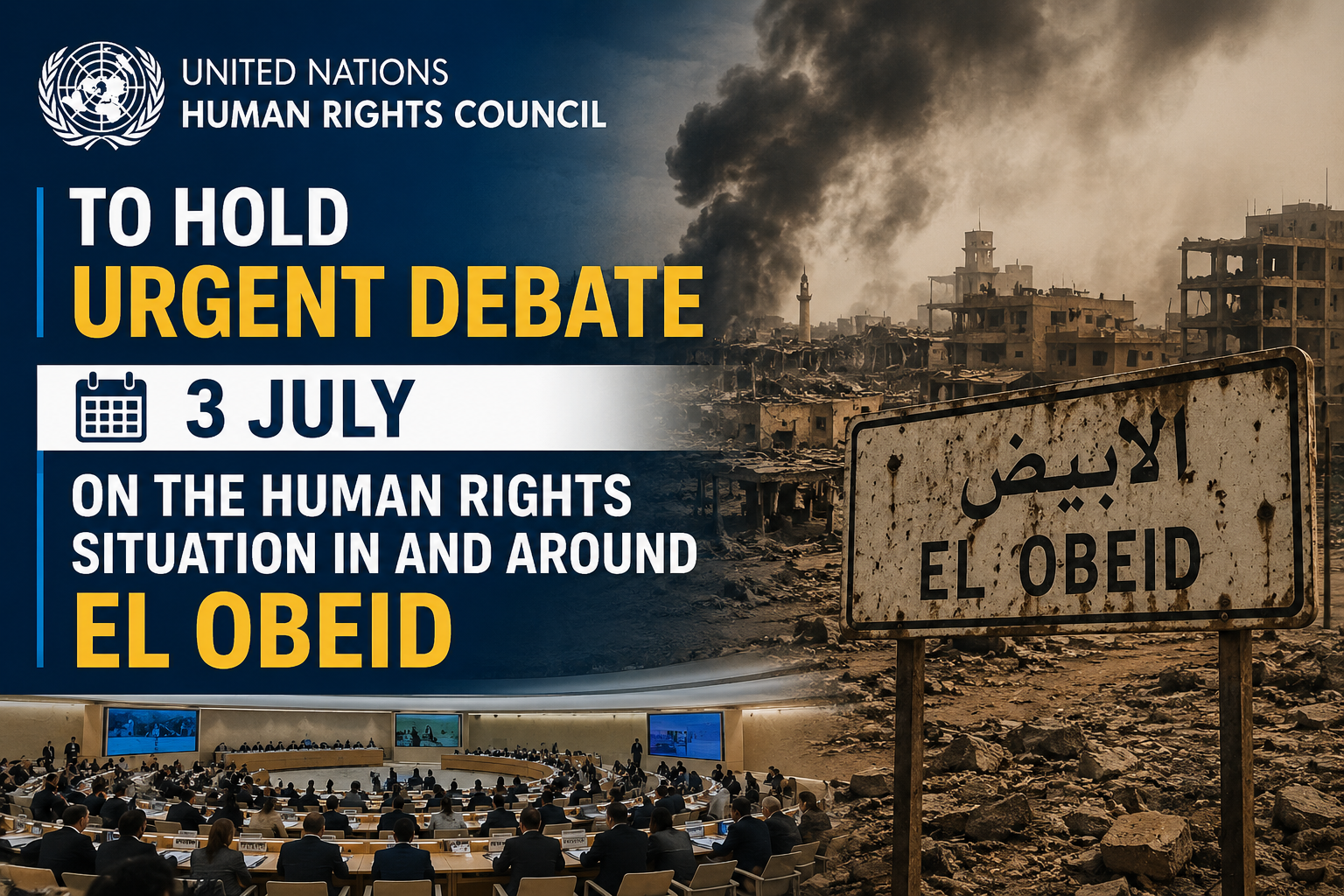
The United Nations Human Rights Council (UNHRC) will convene an urgent debate on Friday, 3 July, to address the rapidly deteriorating human rights situation in and around El Obeid, the capital of Sudan’s North Kordofan State, amid mounting concerns that hundreds of thousands of civilians face an imminent risk of large-scale atrocities.

The emergency discussion, scheduled to begin at 10:00 a.m. (CEST) at the Palais des Nations in Geneva, comes as international alarm grows over the humanitarian consequences of Sudan’s ongoing conflict. The session will be broadcast live on UN Web TV in all six official UN languages.

The debate was requested by a core group of countries—Germany, Ireland, the Netherlands, Norway, and the United Kingdom—which warned that the situation on the ground has reached a critical point.

According to the request submitted to the Human Rights Council, approximately 500,000 civilians are believed to be at risk as violence intensifies around El Obeid. The group highlighted reports of increasing drone attacks that have damaged essential civilian infrastructure, triggering severe shortages of fuel and clean water while leaving thousands of residents trapped under conditions resembling a siege.

“The threat of potential escalation on the ground requires urgent international attention,” the requesting countries stated, warning that civilians remain cut off from basic services and humanitarian assistance.

Draft Resolution Expected

As part of the urgent debate, the sponsoring countries are expected to introduce a draft resolution calling for action by the Human Rights Council. While the details of the resolution have not yet been released, it is anticipated to address civilian protection, humanitarian access, and accountability for alleged violations of international human rights and humanitarian law.

The Council adjusted the programme of work for its ongoing 62nd Regular Session to accommodate the emergency debate, underscoring the seriousness of the situation.

Unlike a Special Session, an urgent debate can be convened without requiring signatures from member states or formal notification procedures, allowing the Council to respond more rapidly to emerging crises.

Growing International Concern

Sudan has remained engulfed in conflict since fighting erupted in April 2023 between rival military factions, triggering one of the world’s largest displacement and humanitarian crises. Millions have been forced from their homes, while repeated attacks on civilians, healthcare facilities and critical infrastructure have drawn widespread condemnation from the international community.

The situation in El Obeid, a strategically important city linking western and central Sudan, has become increasingly precarious as fighting spreads across North Kordofan. Humanitarian agencies have warned that continued violence risks cutting off aid deliveries to large parts of the country.

Human Rights Council’s 13th Urgent Debate

Friday’s meeting will mark the 13th urgent debate convened by the Human Rights Council since the mechanism was established in 2006. Urgent debates are reserved for situations requiring immediate international attention and provide member states with an opportunity to examine rapidly evolving human rights crises and consider collective action.

Diplomats, UN officials, humanitarian organizations, and civil society representatives are expected to participate in the discussion, which is likely to focus on measures to protect civilians, ensure humanitarian access, and strengthen international monitoring of the conflict.

As the humanitarian crisis deepens, Friday’s debate is expected to place Sudan once again at the centre of international attention, with growing calls for stronger global action to prevent further civilian suffering and avert a wider catastrophe.

The urgent debate will be held on Friday, 3 July 2026, at 10:00 a.m. (CEST) in the Assembly Hall of the Palais des Nations, Geneva, and will be streamed live on UN Web TV.
G7 in Évian 2026: Can the World’s Democracies Shape a New Global Order?

From AI and critical minerals to Ukraine, migration and the Global South, France’s G7 presidency signals a new era of geopolitical diplomacy.

By Geneva24 News | Feature

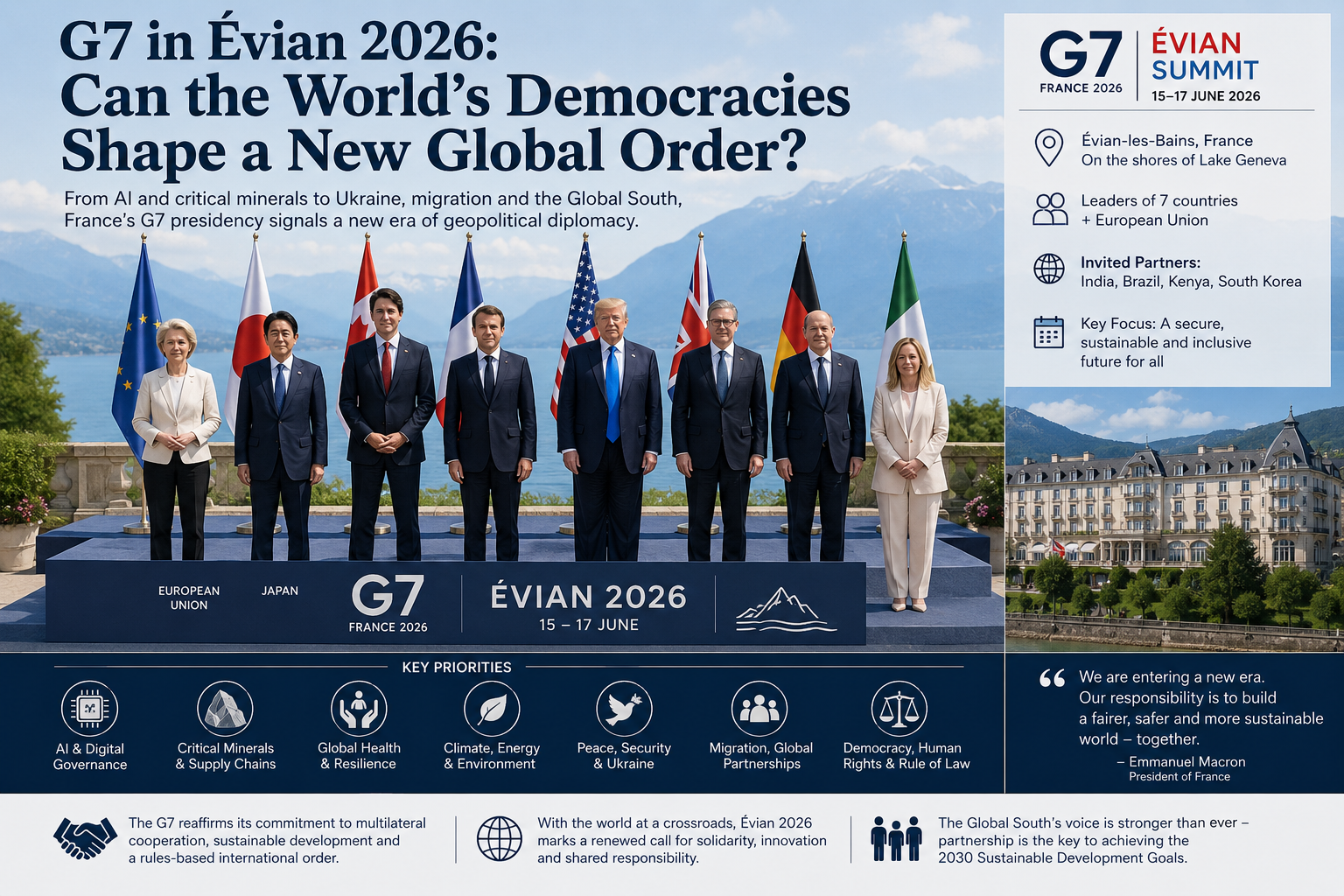
Nestled on the shores of Lake Geneva and framed by the French Alps, the spa town of Évian-les-Bains once again became the centre of global diplomacy as it hosted the 2026 G7 Summit from 15–17 June—23 years after welcoming the historic G8 Summit in 2003. Under France’s presidency, leaders of the world’s seven largest advanced democracies met at a time when international politics is being reshaped by war, economic fragmentation, artificial intelligence, and an increasingly influential Global South.

Unlike previous summits largely dominated by traditional security and economic issues, Évian 2026 reflected a world entering a different geopolitical era.

A Summit in a World of Uncertainty

The summit brought together leaders from France, the United States, Canada, the United Kingdom, Germany, Italy, Japan, alongside the European Union. France also invited leaders from India, Brazil, Kenya and South Korea, highlighting a growing recognition that today’s global challenges cannot be addressed without broader international partnerships.

President Emmanuel Macron described France’s presidency as an opportunity to return the G7 to its original purpose—finding coordinated responses to global economic instability while strengthening multilateral cooperation.

The “New Era” Agenda

Rather than focusing solely on traditional economic policy, leaders debated issues defining the coming decade.

Among the major outcomes were:

  • New commitments to secure critical mineral supply chains, seen as essential for electric vehicles, semiconductors and clean energy.
  • Joint initiatives promoting a safer digital environment for children amid growing concerns over AI-powered platforms and online harms.
  • Discussions on artificial intelligence governance, balancing innovation with regulation.
  • Continued coordination on Ukraine, Middle East security and broader geopolitical stability.
  • Stronger cooperation against drug trafficking, migrant smuggling, organized crime and violent extremism.
  • Renewed calls for balanced and resilient global economic growth.

The summit demonstrated that economic security, digital transformation and geopolitical stability are now inseparable.

Why Évian Matters

Évian is not just another summit venue.

It hosted the famous 2003 G8 Summit, remembered for debates over the Iraq War and the early rise of globalization protests.

Twenty-three years later, the challenges have changed dramatically.

Instead of debating globalization itself, leaders now confront:

  • Fragmented supply chains
  • Artificial intelligence
  • Climate resilience
  • Critical minerals
  • Cybersecurity
  • Strategic competition between major powers
  • Rising influence of emerging economies

The return to Évian symbolizes how global diplomacy has evolved from managing globalization to managing geopolitical fragmentation.

Security Like Never Before

Hosting one of the world’s most powerful political gatherings required an unprecedented security operation.

France deployed around 16,000 security personnel, including police, military units, cyber specialists, bomb disposal teams, helicopters and drone operators. Security measures extended across the French-Swiss border, affecting transport throughout the Lake Geneva region.

Swiss authorities also reinforced border controls and coordinated closely with France, reflecting the increasingly cross-border nature of modern security threats.

Beyond the G7: The Global South Steps Forward

One of the most noticeable changes in Évian was the growing role of emerging economies.

With invited leaders from India, Brazil, Kenya and South Korea, discussions acknowledged that solving global challenges—from health and energy to technology and climate—requires broader international cooperation.

This shift mirrors wider debates within the United Nations, where developing nations increasingly seek greater influence over global governance institutions.

AI Becomes a Diplomatic Issue

Artificial Intelligence emerged as one of the defining topics of the summit.

Unlike previous years, AI was no longer treated simply as a technology issue but as a geopolitical challenge involving economic competitiveness, cybersecurity, misinformation and child protection.

Leaders endorsed initiatives promoting safer online environments for minors while exploring international cooperation on AI governance and responsible innovation.

Challenges Remain

Despite the broad agenda, the summit also reflected growing questions about the G7’s future.

As economic power shifts toward Asia and the Global South, analysts increasingly debate whether the G7 can continue shaping global policy on its own.

Some observers argue that institutions such as the G20, BRICS and regional alliances are becoming increasingly influential, making broader partnerships essential rather than optional.

Geneva’s Diplomatic Moment

Although the summit took place in France, nearby Geneva played a supporting diplomatic role.

Swiss authorities coordinated closely on security, while Geneva hosted several bilateral meetings and diplomatic engagements linked to the summit, reinforcing the city’s position as one of the world’s leading centres for international dialogue.

Looking Ahead

The Évian Summit illustrated that today’s global agenda extends far beyond traditional economic coordination.

Artificial intelligence, climate resilience, critical minerals, migration, digital safety, geopolitical conflict and cooperation with emerging economies now define international diplomacy.

Whether the G7 can continue adapting to this rapidly changing world remains an open question. Yet Évian 2026 demonstrated that even in an era of geopolitical rivalry, dialogue among major democracies remains central to addressing shared global challenges.

Geneva Lights Up: The City Prepares to Celebrate Christmas 2025

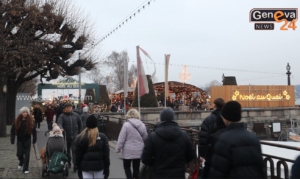
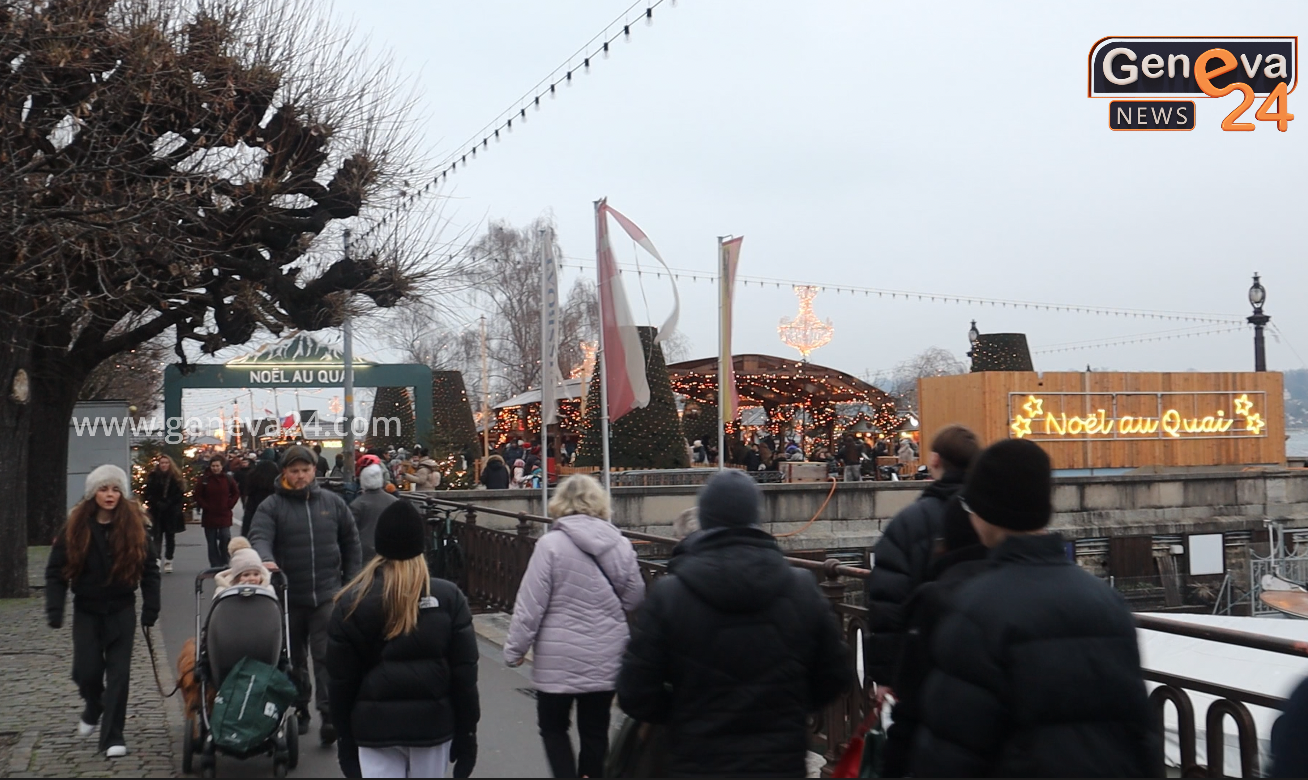
As Christmas approaches, the city of Geneva is glowing with festive spirit. From illuminated streets and traditional markets to seasonal music and family gatherings, residents and visitors alike are preparing to celebrate one of the most cherished times of the year. Our report takes you to the heart of Geneva’s Christmas atmosphere.

Geneva is officially in Christmas mode. Across the city, twinkling lights decorate historic streets, shop windows sparkle with holiday displays, and the sound of carols fills the winter air. In iconic locations such as the Old Town, Plainpalais, and along the lakeside, Christmas markets are welcoming crowds with traditional wooden chalets offering local food, handmade crafts, and warm drinks to beat the winter chill. Families, tourists, and young people are gathering to enjoy seasonal traditions — from tasting Swiss specialties like fondue and roasted chestnuts to shopping for unique Christmas gifts made by local artisans.

Churches across Geneva are also preparing for special Christmas services, including midnight mass, reflecting the city’s long-standing religious and cultural traditions. Beyond celebrations, Christmas in Geneva is also a time of solidarity. Many charities and community groups are organizing food drives, donations, and support programs to help vulnerable people during the winter season.

Despite global challenges and rising living costs, many residents say they are determined to keep the Christmas spirit alive — focusing on togetherness, hope, and generosity. With festive lights shining across the city and a strong sense of community in the air, Geneva is ready to welcome Christmas — a season of joy, reflection, and unity.

By: SARIFUDEEN Zahran (Journalist)

70 Years of Geneva’s Flower Clock – A Swiss Icon Celebrates Its Anniversary

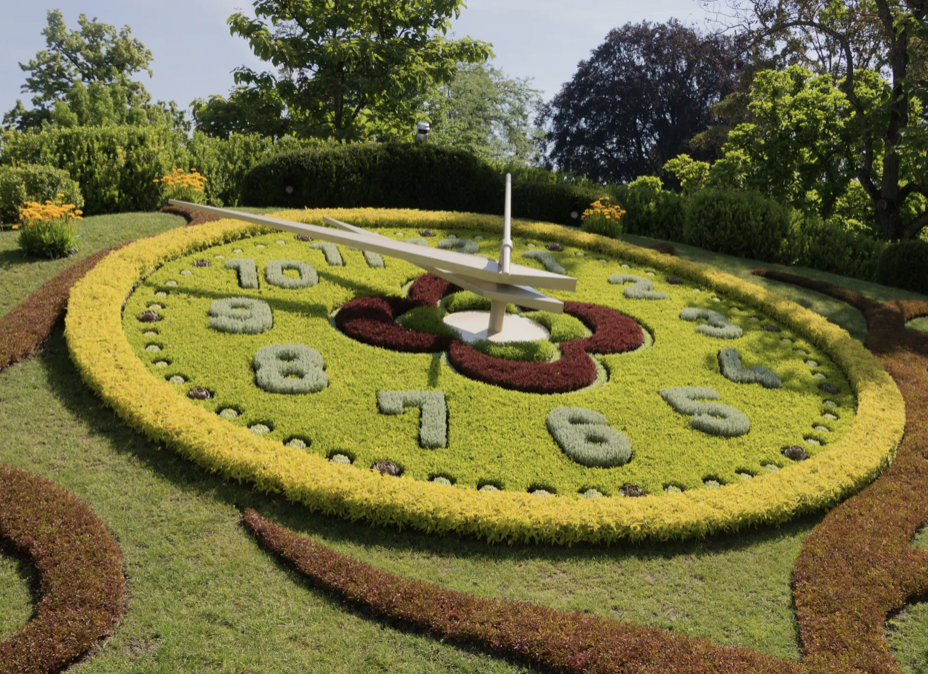
In Geneva today, one of the city’s most iconic landmarks — the world-famous L’Horloge Fleurie, or Flower Clock — celebrated its 70th anniversary. A symbol of Swiss precision and the beauty of Geneva’s parks, the Flower Clock has been attracting millions of visitors every year. Our report looks back at its rich history and its significance today.

Nestled in Geneva’s English Garden, beside the shores of Lake Léman, the Flower Clock has been more than a tourist attraction — it’s a living tribute to Swiss craftsmanship.

Created in 1955, L’Horloge Fleurie was designed to celebrate Switzerland’s world-renowned watchmaking industryby blending two national prides: precise timekeeping and exquisite horticulture.

Over the last seven decades, the Flower Clock has become one of the most photographed sites in the country. Its face, made up of over 12,000 seasonal flowers and plants, is redesigned several times a year, creating a constantly evolving work of art. The giant second hand, once the largest in the world, reflects Geneva’s historic reputation for technical innovation.24

Seven decades on, the Flower Clock remains a reminder that in Geneva, time is not only measured — it is cultivated.

A timeless symbol now marking 70 years. The Flower Clock continues to blossom as one of Geneva’s most cherished ambassadors to the world.