
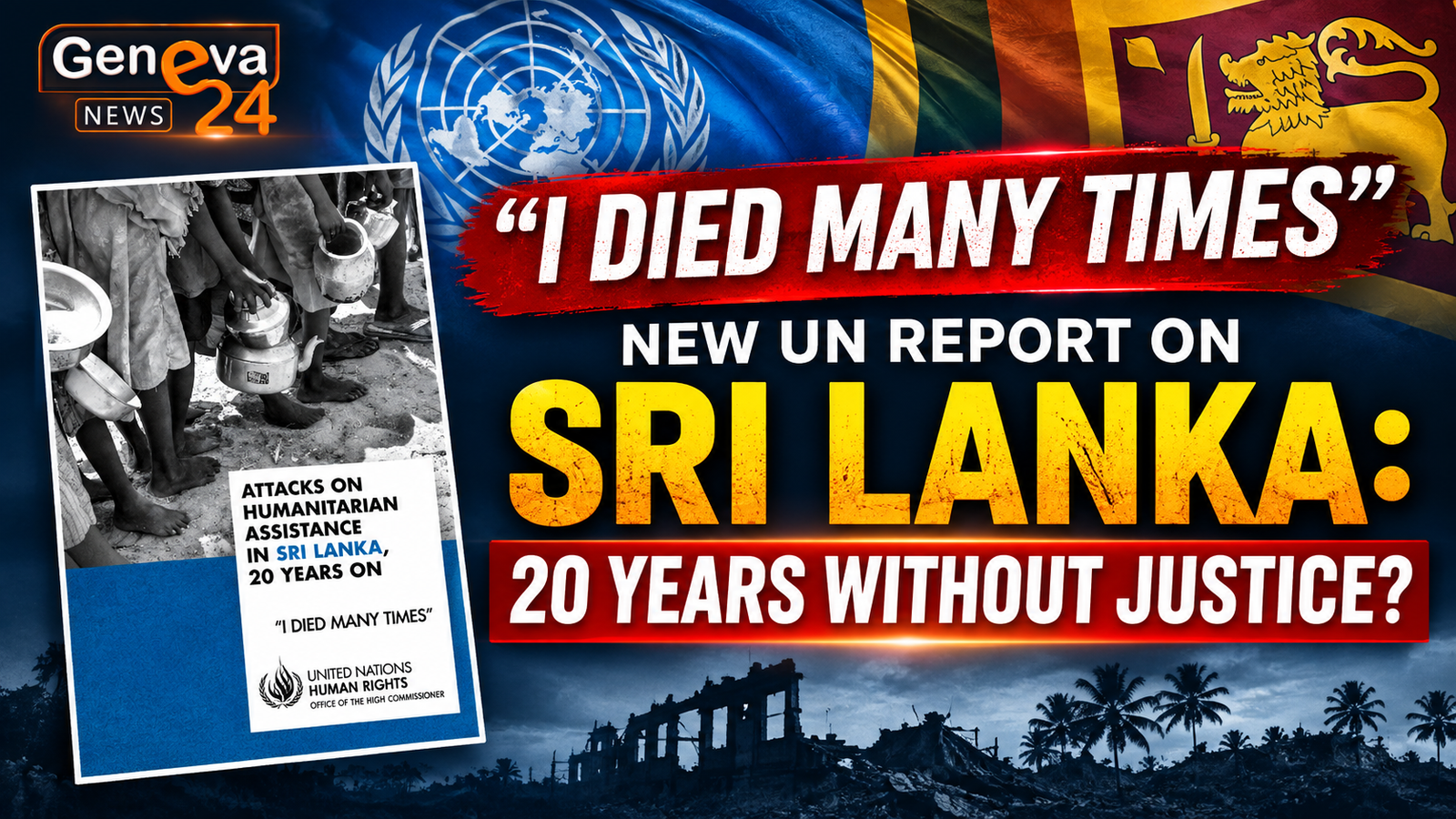
Sri Lanka: 20 Years Without Justice? New UN Report Renews Calls for Wartime Accountability

UN Human Rights Office highlights attacks on humanitarian workers, hospitals and relief operations, while confirming that no response was received from the Sri Lankan Government before the report’s publication.

By Geneva24 News Desk | Geneva, Switzerland | 27 November 2026

The United Nations Human Rights Office (OHCHR) has renewed its call for truth, justice and accountability in Sri Lanka, highlighting serious unresolved allegations concerning attacks on humanitarian workers and restrictions on humanitarian assistance during the country’s armed conflict.

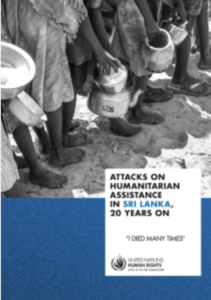
The report, released on 26 November 2026 and titled “I Died Many Times” – Attacks on Humanitarian Assistance in Sri Lanka, 20 Years On, examines violations affecting humanitarian personnel, medical facilities and relief operations, particularly between 2006 and 2009.

Two decades after some of the incidents examined in the report, affected families and surviving humanitarian workers continue to face unanswered questions over accountability and justice.

No Government Response Before Publication

In a significant disclosure, OHCHR confirmed that the report had been shared with the Government of Sri Lanka before publication, providing the authorities with an opportunity to comment on its findings.

However, according to the UN Human Rights Office, no reply had been received by the time the report was published.

The disclosure comes as international attention returns to Sri Lanka’s unresolved wartime human rights issues and the need for credible investigations into alleged violations of international humanitarian and human rights law.
Two Decades of Unresolved Violations

Drawing on more than a decade of investigations, previous United Nations findings and consultations with humanitarian and medical personnel, the report identifies a sustained pattern of attacks and restrictions that severely undermined humanitarian operations during the conflict.

Among the cases examined is the killing of 17 humanitarian workers employed by the international humanitarian organisation Action Against Hunger (Action Contre la Faim – ACF) in Muttur in August 2006.

The report also examines the disappearance of staff members of the Tamil Rehabilitation Organisation (TRO), attacks affecting a United Nations humanitarian convoy and attacks on Puthukkudiyiruppu Hospital.

According to OHCHR, no individual has been held criminally responsible in connection with the four incidents examined.

The continuing absence of criminal accountability remains a central concern for the UN Human Rights Office.

Restrictions on Humanitarian Assistance

The report highlights the deterioration of humanitarian access during the final stages of Sri Lanka’s armed conflict.

According to OHCHR, restrictions imposed by the Government on essential supplies and humanitarian operations significantly affected the availability of food, medicines and other necessities.

The report also addresses restrictions imposed by the Liberation Tigers of Tamil Eelam (LTTE) on civilian movement.

As humanitarian operations became increasingly constrained, civilians faced severe shortages of essential supplies and limited access to medical care.

Previous United Nations investigations found reasonable grounds to believe that serious violations committed by parties to the conflict may amount to war crimes.

These findings underscore the need for independent investigations to establish individual criminal responsibility through appropriate legal processes.

UN Calls for Independent Investigations and Reparations

The United Nations Human Rights Office has urged Sri Lanka to take concrete measures to address longstanding accountability concerns and provide meaningful remedies to affected individuals and families.

Its recommendations include:

  • Conducting prompt, independent and impartial investigations into attacks on humanitarian personnel and operations.
  • Formally acknowledging violations involving members of the security forces.
  • Providing public apologies and comprehensive reparations to affected families and surviving humanitarian workers.
  • Strengthening mechanisms to ensure independent and effective prosecutions.
  • Improving protection for victims, witnesses and individuals seeking accountability.
  • Strengthening safeguards against future human rights violations.

OHCHR has also called for continued international scrutiny where domestic accountability efforts remain inadequate.

The recommendations place renewed emphasis on Sri Lanka’s responsibility to address past violations and ensure that victims have meaningful access to justice.

A Warning to the International Community

The implications of the report extend beyond Sri Lanka.

The United Nations Human Rights Office warns that the continuing absence of accountability for attacks on humanitarian personnel risks establishing a dangerous precedent for conflicts elsewhere in the world.

Protecting humanitarian workers, medical facilities and civilian access to essential assistance remains a fundamental obligation under international humanitarian law.

The Sri Lankan experience highlights the importance of effective investigations, independent accountability mechanisms and international cooperation in protecting humanitarian operations.

Families Continue to Await Justice

Although Sri Lanka’s armed conflict ended in May 2009, questions surrounding wartime violations remain unresolved.

For affected families and surviving humanitarian workers, accountability is not simply a legal or political issue. It concerns recognition, truth, justice and the right to an effective remedy.

The latest OHCHR report places these concerns back on the international human rights agenda.

Whether the renewed recommendations will lead to credible investigations, prosecutions and meaningful reparations remains to be seen.

Twenty years after the earliest incidents examined in the report, the search for truth and justice continues.

Source: United Nations Human Rights Office (OHCHR), “I Died Many Times” – Attacks on Humanitarian Assistance in Sri Lanka, 20 Years On, 26 November 2026.

Geneva24 – From Geneva to the World.

www.geneva24.com

“DISCRIMINATION IS NOT AN ACCIDENT”: UN HUMAN RIGHTS LEADERS ISSUE STRONG WARNING AS GENEVA MINORITY RIGHTS FORUM OPENS

GENEVA, SWITZERLAND | 26 NOVEMBER 2026

By: SARIFUDEEN M Zahran

UN officials have called for stronger international action against discrimination, exclusion and violations of minority rights as the 19th session of the United Nations Forum on Minority Issues opened at the Palais des Nations in Geneva.

Delivering a forceful message at the opening session, the UN Deputy High Commissioner for Human Rights warned that discrimination is not simply an unfortunate social reality, but a consequence of decisions made by those in positions of power and the indifference of others.

“Discrimination is not an accident; it results from choices made by people with power and by the indifference of bystanders,” the Deputy High Commissioner told delegates.

The two-day forum, taking place on 26 and 27 November 2026 in the Assembly Hall of the United Nations Office at Geneva, is being held under the theme “Advancing Minority Rights Through Regional Initiatives and Cooperation.”

The gathering has brought together more than 1,000 registered participants, including government representatives, UN officials, international and regional organisations, human rights institutions, academics, civil society organisations and representatives of minority communities.

UN RIGHTS OFFICIAL WARNS OF SYSTEMATIC EXCLUSION AND DISCRIMINATION

In one of the strongest interventions of the opening session, the Deputy High Commissioner highlighted the continuing challenges facing national, ethnic, religious and linguistic minorities across the world.

She pointed to serious violations affecting minority communities in conflict situations, including killings, sexual violence, torture, abductions, destruction of cultural and religious sites, and forced displacement.

Beyond armed conflicts, she warned that discrimination continues to influence access to employment, housing, education, security and political participation.

The Deputy High Commissioner also raised concerns about the growing use of technology in ways that may reinforce existing inequalities, including artificial intelligence-enabled policing tools, discriminatory surveillance and online hate speech.

A particularly striking part of her address focused on the lack of reliable data about minority communities.

“ What is not counted does not exist,” she warned, arguing that when minorities are excluded from censuses and household surveys, their inequalities can remain invisible in public policy and government decision-making.

She called on states to introduce and effectively implement comprehensive anti-discrimination legislation, strengthen equality institutions and ensure that minority communities have meaningful representation in decisions affecting their lives.

SPECIAL RAPPORTEUR NICOLAS LEVRAT CALLS FOR STRONGER REGIONAL COOPERATION

Special Rapporteur on Minority Issues Prof. Nicolas Levrat

Special Rapporteur on Minority Issues Nicolas Prof. Levrat also delivered a significant address, emphasising the importance of strengthening cooperation between the United Nations and regional human rights mechanisms.

He described the growing participation in the forum as a sign of the resilience of human rights defenders and the continuing need for international platforms where minority communities and civil society can make their voices heard.

Levrat argued that the protection of minority rights cannot depend exclusively on the global human rights system.

Instead, he called for stronger connections between UN mechanisms and regional initiatives, which can provide additional opportunities for accountability, legal protection and effective responses to discrimination.

He highlighted the importance of existing international accountability mechanisms, including procedures under human rights treaties, and the role of civil society in bringing violations to international attention.

His intervention also underlined the importance of ensuring that minority rights are not overlooked within international law and political decision-making.

The Special Rapporteur is expected to draw on the discussions and recommendations from the forum in preparing his report to the Human Rights Council in March 2027.

MINORITY VOICES MUST BE PART OF DECISION-MAKING

A central message emerging from the opening session was that minority communities must not simply be the subjects of international discussions; they must be active participants in shaping policies and decisions that affect their futures.

The Deputy High Commissioner identified three important areas for progress:

  • Legal protection: Strong anti-discrimination laws and effective access to justice.
  • Political participation: Meaningful representation of minority communities in national and regional decision-making.
  • Education and social change: Human rights education to challenge prejudice, stereotypes and hatred from an early age.

She also highlighted examples of regional initiatives in Europe, Africa and Asia, demonstrating how cooperation can strengthen minority protection and promote the exchange of good practices.

GENEVA AT THE CENTRE OF GLOBAL HUMAN RIGHTS DIALOGUE

The opening of the 19th Forum on Minority Issues once again places Geneva at the center of international discussions on human rights and the protection of vulnerable communities.

With more than 1,000 participants registered, the forum provides an important opportunity to examine how international commitments can translate into practical improvements in the lives of minority populations.

However, the central challenge remains implementation.

International declarations and legal commitments alone cannot guarantee protection unless governments, regional institutions and international organisations take concrete action.

As discussions continue in Geneva, the message from UN human rights leadership is clear: discrimination must be confronted, minority voices must be heard, and accountability must be strengthened.

The protection of minority rights is not only a national responsibility. It is a global human rights commitment.

GENEVA24 | FROM GENEVA TO THE WORLD
www.geneva24.com

Geneva to Host Demonstration Calling for Justice and Peace in Tigray

GENEVA, Switzerland | November 17, 2026

By: SARIFUDEEN M Zahran

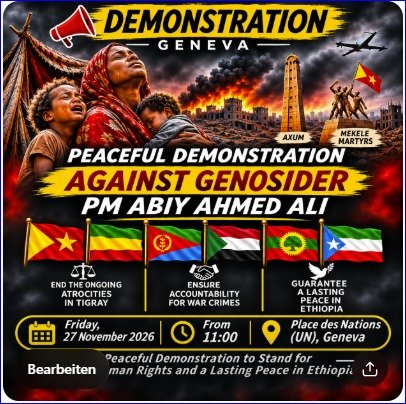
A peaceful demonstration is scheduled to take place at Place des Nations, outside the United Nations headquarters in Geneva, on Friday, November 27, 2026, calling for international attention, accountability and urgent humanitarian action over the continuing crisis in Ethiopia’s Tigray region.

The demonstration, organised by supporters of the people of Tigray, will call on the international community, the United Nations and relevant human rights organisations to take meaningful action in response to reports of humanitarian suffering, displacement, ongoing violence and widespread destruction in the region.

Organisers say the demonstration aims to highlight the worsening humanitarian situation, particularly concerns over food insecurity and the threat of famine affecting vulnerable communities in Tigray.

Humanitarian Crisis and Displacement

One of the central demands concerns the estimated 800,000 internally displaced people (IDPs) who, according to the organisers, remain unable to return safely to their homes. Demonstrators are expected to call for increased humanitarian assistance, protection of civilians and conditions that allow displaced families to return voluntarily and safely.

The protest will also draw attention to allegations of continued human rights violations, atrocities and the destruction of civilian infrastructure, industries and private property during the conflict in Tigray.


Growing Regional Tensions Raise International Concerns

Another major concern raised by the organisers is the escalating tension between Ethiopia and Eritrea. They warn that the possibility of further confrontation, particularly on Tigrayan territory, risks exposing an already vulnerable population to additional suffering and destruction.

The demonstration is also expected to address allegations against Ethiopian Prime Minister Abiy Ahmed Ali and demand accountability for alleged violations of international humanitarian and human rights law.

Call for International Accountability

With Geneva serving as a major centre for international diplomacy and human rights institutions, organisers hope the demonstration will draw the attention of the United Nations, international governments and human rights organisations.

Their demands include:

  • Urgent international action to address food insecurity and the humanitarian crisis in Tigray.
  • Protection and humanitarian support for internally displaced people.
  • An end to violence and alleged human rights violations.
  • Accountability and independent investigations into alleged war crimes.
  • Protection and reconstruction of destroyed civilian infrastructure and industries.
  • Prevention of further regional conflict on Tigrayan territory.
  • A sustainable peace process that guarantees security, justice and human rights for all communities.

Demonstration Details

Date: Friday, 27 November 2026
Time: From 11:00 AM
Location: Place des Nations, Geneva, Switzerland

Organisers are inviting members of the Tigrayan diaspora, human rights advocates, peace campaigners and concerned members of the international community to participate in the peaceful demonstration.

As international attention turns towards the Horn of Africa, the demonstration aims to send a clear message: humanitarian suffering must not be ignored, civilian lives must be protected, and lasting peace must be built on justice, accountability and respect for human rights.

The call from Geneva is for international solidarity, justice and a peaceful future for the people of Tigray and Ethiopia.

GUTERRES URGES ASEAN TO STEP UP ACTION ON MYANMAR, PROTECT ROHINGYA AS HE ATTENDS FINAL SUMMIT

By: SARIFUDEEN Zahran

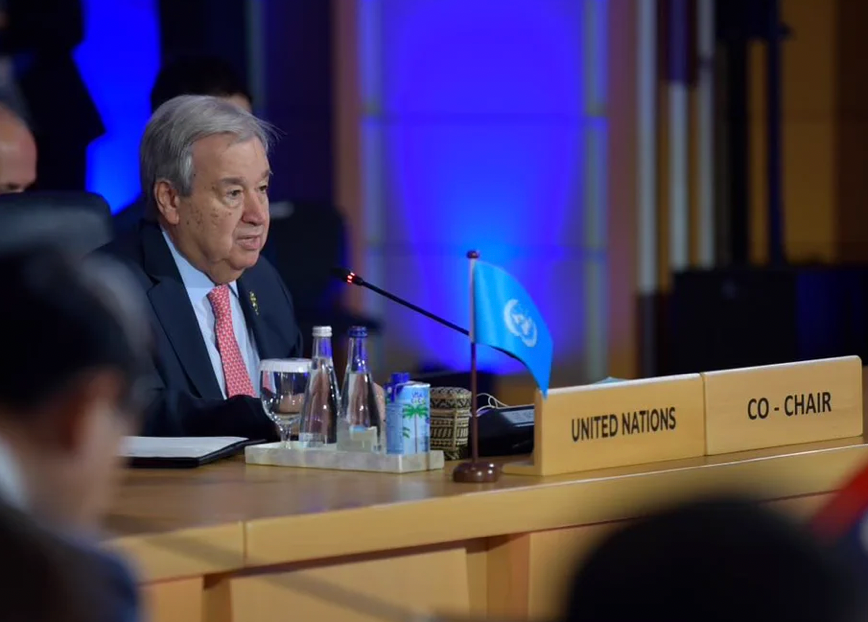
MANILA, Philippines / GENEVA — United Nations Secretary-General António Guterres has called for stronger cooperation between the United Nations and the Association of Southeast Asian Nations (ASEAN), urging regional leaders to intensify efforts to end the crisis in Myanmar and protect civilians and displaced communities.

Speaking at his final ASEAN-UN Summit in Manila on Monday, 16 November 2026, Guterres stressed the importance of regional and international cooperation in addressing growing global challenges, including armed conflicts, climate change, economic instability and rising humanitarian needs.

“This is my final ASEAN-UN Summit as Secretary-General, but I will always remain inspired by, and committed to, this region’s continuing journey,” he told regional leaders.

Guterres, whose term as UN Secretary-General ends later this year, reflected on the 15-year partnership between the United Nations and ASEAN, describing the current international environment as increasingly difficult.

He highlighted the impact of conflicts, rising living costs, trade tensions, energy prices and humanitarian emergencies, warning that these challenges require stronger multilateral cooperation.

Calls for reform of global institutions

Addressing the changing international order, Guterres called for reforms to global institutions to ensure they better reflect the realities of the 21st century and the growing influence of emerging economies.

He stressed the need for a stronger global financial system and reforms to both the UN Security Council and international financial institutions to make them more representative of developing countries and rising economic powers.

The Secretary-General also urged greater international support for climate-vulnerable countries, a fair transition towards renewable energy, responsible development of artificial intelligence and efforts to close the global digital divide.

Emphasising the importance of peace, he referred to continuing conflicts and instability in Gaza, Yemen, the wider Middle East, Ukraine and Sudan.

He also reaffirmed the United Nations’ commitment to freedom of navigation, particularly amid disruptions affecting key international maritime routes, including the Strait of Hormuz, the Red Sea and the Black Sea.

Myanmar crisis remains a major concern

A central focus of Guterres’ address was the continuing political and humanitarian crisis in Myanmar, nearly six years after the military seized power from the civilian government in February 2021.

He expressed deep concern over the scale of human suffering and called on all parties to protect civilians, respect international law and ensure safe, sustained and unhindered humanitarian access.

“Human suffering has reached epic proportions,” Guterres said.

His remarks come amid continuing armed conflict, displacement and serious humanitarian challenges across Myanmar.

The Secretary-General commended ASEAN’s efforts to address regional tensions, including its engagement on a proposed Code of Conduct in the disputed South China Sea and its role in supporting the durability of the 2025 ceasefire between Cambodia and Thailand.

However, he stressed that the regional bloc must continue working towards an inclusive, Myanmar-led political solution.

The United Nations will continue supporting ASEAN’s Five-Point Consensus, adopted in response to the Myanmar military takeover, as a framework for addressing the crisis.

Rohingya refugees still await justice and safe return

Guterres also drew attention to the continuing plight of the Rohingya, a predominantly Muslim ethnic minority who have fled persecution and violence in Myanmar.

Nearly 1.2 million Rohingya refugees are currently living in Bangladesh, most of whom arrived following the military crackdown in Myanmar in August 2017.

Nearly a decade after their mass displacement, the Secretary-General said the Rohingya were still waiting for accountability for serious human rights violations and conditions that would allow them to return home safely.

“Nearly a decade after their forced mass displacement, the Rohingya still await accountability for grave violations and the conditions for safe, voluntary, dignified and sustainable return,” he said.

He emphasised that until such conditions are established, countries have a responsibility to protect people fleeing violence and persecution.

The Secretary-General’s remarks underline the continuing international responsibility towards Rohingya refugees, particularly as Bangladesh continues to host one of the world’s largest refugee populations.

Calls for release of detained Myanmar leaders

Speaking at a subsequent press conference, Guterres reiterated calls by the UN Security Council and General Assembly for the immediate and unconditional release of all individuals arbitrarily detained in Myanmar, including former State Counsellor Aung San Suu Kyi.

He confirmed that his Special Envoy for Myanmar, Julie Bishop, would continue engaging with relevant stakeholders, particularly ASEAN, to identify a pathway towards ending the violence and creating space for inclusive political dialogue.

The UN Special Envoy’s engagement will also focus on supporting the implementation of ASEAN’s Five-Point Consensus.

Renewable energy transition remains urgent

During the press conference, Guterres also addressed questions concerning the climate emergency, the transition to clean energy and developments emerging from the COP31 climate conference in Türkiye.

He called for accelerated investment in renewable energy, stressing that the global energy transition must move away from dependence on fossil fuels.

“The time of fossil fuel is coming to an end,” he said.

As he approaches the end of his tenure, Guterres’ final ASEAN-UN Summit placed renewed emphasis on multilateral cooperation, regional responsibility and the urgent need for action on some of the world’s most pressing challenges — particularly the unresolved crisis in Myanmar and the future of millions of displaced people, including the Rohingya.

TANZANIA BACKS 196 HUMAN RIGHTS RECOMMENDATIONS IN FOURTH UN REVIEW, DEFERS 16 FOR FURTHER CONSIDERATION

GENEVA, Switzerland — The United Republic of Tanzania has supported 196 of the 280 recommendations made during its fourth Universal Periodic Review (UPR) before the United Nations Human Rights Council, while taking note of 68 and deferring 16 for further consideration.

The positions were announced by the Minister for Constitutional and Legal Affairs, Hon. Abdallah Hamis Ulega, following Tanzania’s review on 5 November 2026 during the 53rd session of the UPR Working Group in Geneva.

The 196 supported recommendations represent 70 per cent of the total, while 24.3 per cent were noted and 5.7 per cent deferred.

The Government said it could not support certain recommendations because they were inconsistent with Tanzania’s traditions, customs, constitutional provisions, legal frameworks and national policy priorities. These included proposals concerning same-sex relations and abolition of the death penalty.

The 16 deferred recommendations require further examination of their legal, policy, economic and financial implications. Tanzania plans to consult the Judiciary, Parliament, civil society organisations and other relevant stakeholders before communicating its final positions, expected at the Human Rights Council in February 2027.

Democratic governance and civic space

During the review, Tanzania presented reforms undertaken since its previous UPR in 2021, when it supported 187 of the 252 recommendations received, including 20 in part.

The Government said President Samia Suluhu Hassan’s Four Rs philosophy — Reconciliation, Resilience, Reforms and Rebuilding — had guided efforts to strengthen democratic participation and political dialogue.

Consultations conducted by the Task Force on Multi-Party Democracy contributed to renewed engagement with political stakeholders and the lifting of restrictions on political rallies. The Government also lifted the suspensions of four newspapers.

Electoral reforms included the Independent National Electoral Commission Act, which introduced public applications, shortlisting and interviews for certain commissioner positions. The Presidential, Parliamentary and Councillors’ Elections Act also requires unopposed parliamentary and councillor candidates to obtain voters’ approval.

Civil society organisations participated in voter education and domestic election observation during the 2025 general elections. By 2026, more than 7,700 non-governmental organisations and 710 societies had been registered.

The Government also outlined legislative reforms and ongoing reviews involving the Media Services Act, Access to Information Act and Cybercrimes Act, including the removal of criminal defamation provisions.

Internet penetration was reported at 83.5 per cent, with authorities highlighting the importance of privacy, online safety and child protection as digital connectivity expands.

Addressing the violence surrounding the general elections of 29 October 2025, the Government described the events as deeply regrettable, acknowledging the loss of life and suffering experienced by families and communities.

A Presidential Commission of Inquiry, established on 18 November 2025, publicly presented its principal findings on 23 April 2026. Following its recommendations, a separate Criminal Investigation Commission was established to investigate possible criminal offences and establish individual responsibility.

The Government said it remained committed to establishing the facts and ensuring accountability through lawful processes.

International concerns over elections and civic freedoms

During the interactive dialogue, several participating countries raised concerns about the human rights situation surrounding the 2025 elections.

The United Kingdom expressed concern over reported excessive use of force by security forces and significant loss of life, calling for transparent and accountable investigations into alleged violations.

Norway also raised concerns about restrictions on civic and political space, reports of extrajudicial killings, enforced disappearances and arbitrary arrests.

Other delegations called for stronger protection of journalists, opposition politicians, human rights defenders and civil society organisations, alongside reforms to legislation affecting freedom of expression, peaceful assembly and association.

These recommendations formed part of the wider international dialogue on strengthening accountability, democratic institutions and fundamental freedoms in Tanzania.

Access to justice

Tanzania highlighted improvements in judicial infrastructure and access to legal services.

On Mainland Tanzania, the Government reported 26 High Court sub-registries across 25 regions, 15 Integrated Justice Centres, 137 District Courts and 962 Primary Courts. Zanzibar has also developed four smart courts.

The Mainland’s case backlog declined from approximately 10 per cent to 5 per cent, while average case determination time fell from 95 to 66 days. In Zanzibar, the backlog decreased from 43 per cent to 18 per cent.

More than 170,000 cases were concluded through digital and virtual court arrangements.

The Mama Samia Legal Aid Campaign reached approximately 7.9 million people, including more than four million women. Tanzania also translated 446 statutes into Kiswahili to improve public access to legal information.

Equality and protection

Women accounted for 39.3 per cent of Parliament in 2025 and 36.5 per cent of the Judiciary. The proportion of women holding land rights increased from 28.5 per cent in 2020 to 35 per cent in 2025.

Under its Second National Plan of Action to End Violence Against Women and Children, Tanzania has strengthened reporting mechanisms, survivor support services and community awareness programmes.

The Government also highlighted its National Assistive Technology Strategy, measures to expand inclusive education and access to public services, and the National Action Plan for Persons with Albinism, aimed at improving protection and access to healthcare, education and economic opportunities.

Access to essential services

Education financing increased from approximately TZS 5.6 trillion in 2022/23 to TZS 6.3 trillion in 2025/26.

The Government reaffirmed its commitment to fee-free basic education and programmes allowing students who previously left school to resume their studies, including girls who left because of pregnancy.

On Mainland Tanzania, the number of health facilities increased from 8,458 in 2022 to 10,044 in 2026.

Maternal mortality declined from 197 to 104 deaths per 100,000 live births on the Mainland, while Zanzibar recorded a reduction from 166 to 119.

Newborn mortality on the Mainland fell from 25 to 19 deaths per 1,000 live births. Antenatal care coverage reached 98 per cent, while facility deliveries increased from 83 to 98 per cent.

Regarding HIV prevention and treatment, the Government reported that 82.7 per cent of people living with HIV knew their status, 97.9 per cent were receiving antiretroviral therapy and 94.3 per cent had achieved viral suppression. Antiretroviral medicines remain free of charge.

The basic-needs poverty rate declined from 26.4 per cent in 2020 to 24.9 per cent in 2025. The Productive Social Safety Net supported approximately 1.36 million households, benefiting more than 5.1 million people.

Access to clean water reached 85.2 per cent in rural areas and 92.5 per cent in urban areas.

The Government also reported that more than 700 kilometres of the Standard Gauge Railway were operational and that the Julius Nyerere Hydropower Project had a generation capacity of 2,115 megawatts.

Electricity had reached all 12,318 villages on Mainland Tanzania, with national electrification reported at approximately 79.5 per cent.

Investments across productive sectors were said to have generated more than 4.2 million employment opportunities. Climate resilience measures included producing more than 167 million tree seedlings in 2025/26 and expanding access to clean cooking energy.

Priorities for implementation and international cooperation

The 196 supported recommendations cover a wide range of human rights priorities, including inclusive consultations on constitutional and electoral reforms, strengthening the administration of justice, accountable institutions and the protection of fundamental freedoms.

Other areas include gender equality, prevention of gender-based violence, child protection, addressing harmful traditional practices, disability inclusion and the protection of persons with albinism.

The recommendations also address equitable access to healthcare, safe drinking water, social protection and the conservation and sustainable use of natural resources.

Tanzania highlighted its cooperation with regional and international human rights mechanisms, including hosting the African Commission on Human and Peoples’ Rights at its 77th Ordinary Session in Arusha in 2023.

Minister Ulega thanked the President of the UPR Working Group, participating Member States, the Troika comprising Burundi, Ecuador and Viet Nam, and the UN Secretariat. He also acknowledged support from the UPR Voluntary Fund, the Office of the United Nations High Commissioner for Human Rights and the Commonwealth.

The Government said it would work with national stakeholders and international partners to implement the supported recommendations.

It identified human rights education for citizens and public officials, wider access to legislation in Kiswahili and the responsible use of technology in public services as priority areas for further cooperation under Tanzania Development Vision 2050.

‘LIVES ARE AT STAKE’: UN AND HUMANITARIAN PARTNERS URGE ISRAEL TO ALLOW WINTER AID INTO GAZA

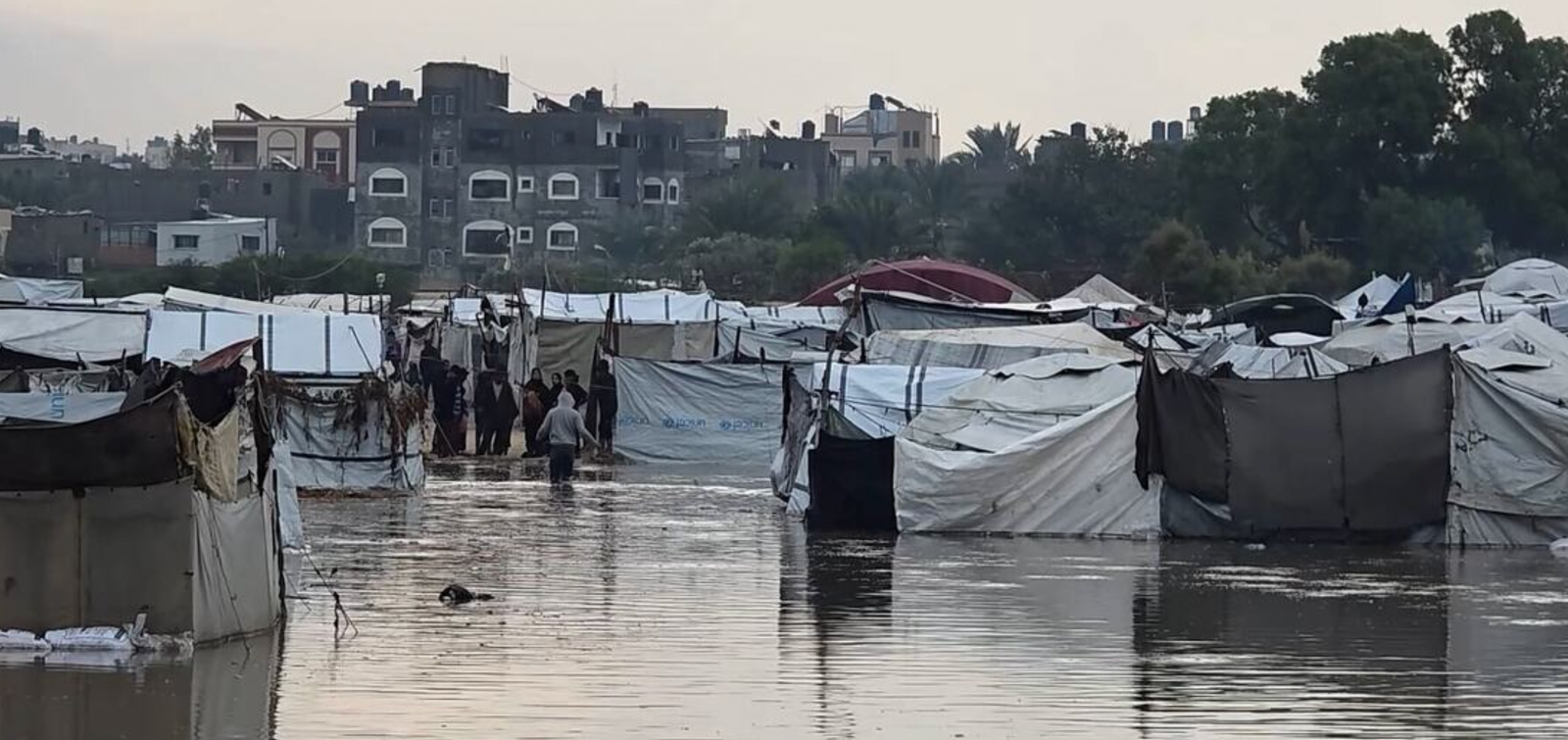
GAZA / GENEVA — United Nations agencies and humanitarian organisations have urged Israeli authorities to urgently allow winter supplies into the Gaza Strip, warning that delays in humanitarian assistance are putting the lives of displaced Palestinians, particularly children, at risk.

In an urgent appeal issued on Friday, the Humanitarian Country Team (HCT) in the Occupied Palestinian Territory said the latest deadly rainstorm had exposed the increasingly dangerous conditions facing families living in overcrowded shelters with inadequate protection against winter weather.

“The devastating impact of the latest rainstorm in Gaza was preventable,” the humanitarian partners said in a joint statement.

They reported that children and adults had been killed, essential services suspended and thousands of family shelters flooded, destroyed or swept away.

The organisations stressed that the consequences were not caused by the storm alone, but were also linked to policy decisions restricting humanitarian supplies and access to safer areas.

Winter preparations face major obstacles

The Humanitarian Country Team, which brings together UN agencies and international and local non-governmental organisations, said it had presented a comprehensive winter preparedness plan several months earlier to help Palestinians withstand the colder months.

The plan included emergency shelter assistance, improved healthcare and protection services, drainage systems, sandbag reinforcement and the delivery of essential winter supplies.

Among the urgently needed items are tents, warm clothing, blankets, water-pumping equipment, debris-removal machinery and equipment to clear explosive ordnance.

Humanitarian organisations also stressed the need for adequate funding, faster approval and entry of essential supplies, and access to higher ground to protect displaced families from flooding.

The partners recalled that Israel, as the occupying power, has obligations under international humanitarian law to ensure that the basic needs of Gaza’s population are met, including access to essential supplies required for survival.

However, they said restrictions on humanitarian deliveries and access to land continue to prevent assistance from reaching those who need it.

According to the statement, incoming supplies face multiple approval procedures, limited crossing capacity and unpredictable or restricted delivery windows, resulting in delays.

More than 150,000 tents await entry

Despite the urgent shelter needs inside Gaza, more than 150,000 tents are reportedly waiting outside the territory for authorisation and delivery.

Humanitarian organisations warned that the situation is becoming increasingly difficult as each new rainstorm damages or destroys additional tents, creating further demand for emergency shelter.

Although funding for the winter response remains significantly below requirements, humanitarian partners stressed that access to more durable shelter must not depend on political developments.

“Winter will last for months. Access to longer-lasting shelter must not be made conditional on political progress when people’s needs are so urgent,” the organisations said.

They called on Israeli authorities to accelerate the entry of life-saving winter supplies, remove restrictions on humanitarian assistance and allow repairs to essential water and wastewater networks.

Humanitarian access and protection urgently needed

The latest appeal comes amid worsening humanitarian conditions across Gaza, where cold and rainy weather, severe overcrowding, deteriorating shelters and inadequate water and sanitation facilities are increasing the risk of disease transmission.

Humanitarian partners warned that without immediate intervention, vulnerable families will face further exposure to extreme weather and deteriorating living conditions.

The organisations also called for all humanitarian partners to be allowed to operate without unnecessary restrictions, including UN agencies, international organisations and Palestinian non-governmental organisations.

They further urged authorities to enable meaningful commercial activity in Gaza, which they said is essential to supporting the population and meeting basic needs.

International community urged to act

The Humanitarian Country Team called on Member States to use their diplomatic influence to ensure that humanitarian supplies enter Gaza without further delay.

It also urged international partners to provide the funding necessary to support winter preparations and emergency humanitarian operations.

“Winter supplies must reach families immediately to prevent further loss of life and protect their dignity. People cannot wait,” the organisations warned.

The appeal concluded with an urgent reminder of the human cost of delays in humanitarian assistance: “Lives are at stake.”

With winter conditions continuing to threaten displaced families, humanitarian organisations are calling for immediate action to ensure that shelter, essential services and life-saving supplies reach civilians across Gaza.

UN Human Rights Council to Hold Urgent Debate on Sudan Crisis as 500,000 Civilians Face Atrocity Risk

The United Nations Human Rights Council (UNHRC) will convene an urgent debate on Friday, 3 July, to address the rapidly deteriorating human rights situation in and around El Obeid, the capital of Sudan’s North Kordofan State, amid mounting concerns that hundreds of thousands of civilians face an imminent risk of large-scale atrocities.

The emergency discussion, scheduled to begin at 10:00 a.m. (CEST) at the Palais des Nations in Geneva, comes as international alarm grows over the humanitarian consequences of Sudan’s ongoing conflict. The session will be broadcast live on UN Web TV in all six official UN languages.

The debate was requested by a core group of countries—Germany, Ireland, the Netherlands, Norway, and the United Kingdom—which warned that the situation on the ground has reached a critical point.

According to the request submitted to the Human Rights Council, approximately 500,000 civilians are believed to be at risk as violence intensifies around El Obeid. The group highlighted reports of increasing drone attacks that have damaged essential civilian infrastructure, triggering severe shortages of fuel and clean water while leaving thousands of residents trapped under conditions resembling a siege.

“The threat of potential escalation on the ground requires urgent international attention,” the requesting countries stated, warning that civilians remain cut off from basic services and humanitarian assistance.

Draft Resolution Expected

As part of the urgent debate, the sponsoring countries are expected to introduce a draft resolution calling for action by the Human Rights Council. While the details of the resolution have not yet been released, it is anticipated to address civilian protection, humanitarian access, and accountability for alleged violations of international human rights and humanitarian law.

The Council adjusted the programme of work for its ongoing 62nd Regular Session to accommodate the emergency debate, underscoring the seriousness of the situation.

Unlike a Special Session, an urgent debate can be convened without requiring signatures from member states or formal notification procedures, allowing the Council to respond more rapidly to emerging crises.

Growing International Concern

Sudan has remained engulfed in conflict since fighting erupted in April 2023 between rival military factions, triggering one of the world’s largest displacement and humanitarian crises. Millions have been forced from their homes, while repeated attacks on civilians, healthcare facilities and critical infrastructure have drawn widespread condemnation from the international community.

The situation in El Obeid, a strategically important city linking western and central Sudan, has become increasingly precarious as fighting spreads across North Kordofan. Humanitarian agencies have warned that continued violence risks cutting off aid deliveries to large parts of the country.

Human Rights Council’s 13th Urgent Debate

Friday’s meeting will mark the 13th urgent debate convened by the Human Rights Council since the mechanism was established in 2006. Urgent debates are reserved for situations requiring immediate international attention and provide member states with an opportunity to examine rapidly evolving human rights crises and consider collective action.

Diplomats, UN officials, humanitarian organizations, and civil society representatives are expected to participate in the discussion, which is likely to focus on measures to protect civilians, ensure humanitarian access, and strengthen international monitoring of the conflict.

As the humanitarian crisis deepens, Friday’s debate is expected to place Sudan once again at the centre of international attention, with growing calls for stronger global action to prevent further civilian suffering and avert a wider catastrophe.

The urgent debate will be held on Friday, 3 July 2026, at 10:00 a.m. (CEST) in the Assembly Hall of the Palais des Nations, Geneva, and will be streamed live on UN Web TV.

‘Empty Rhetoric Is Not Enough’: Rights Experts Demand Action on Sudan

Millions Displaced: Human Rights Experts Sound Alarm Over Sudan Crisis at UN Geneva

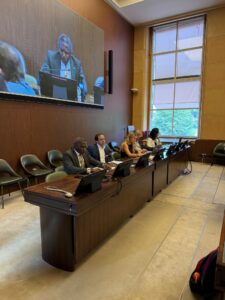
Geneva, 1 July 2026 — Human rights advocates, diplomats and civil society representatives gathered at the Palais des Nations in Geneva on Wednesday to draw renewed international attention to Sudan’s escalating humanitarian crisis, warning that millions of internally displaced people and refugees continue to face severe protection risks as conflict spreads across the country.

The NGO briefing, held alongside the 62nd Regular Session of the United Nations Human Rights Council (HRC), focused on the human rights situation in Africa, with particular attention to Sudanese internally displaced persons (IDPs) and refugees in Chad and the Central African Republic (CAR). The event was jointly organized by the Sudan Knowledge Centre (SKC), the African Centre for Democracy and Human Rights Studies (ACDHRS), the African Centre for Legal Studies, and partner organizations.

According to the organizers, Africa continues to face complex human rights challenges despite progress in some regions. Speakers cited armed conflicts, terrorism, and unconstitutional changes of government as major factors undermining the protection of fundamental rights across the continent.

The briefing highlighted Sudan as one of the world’s most severe humanitarian emergencies. Organizers stated that an estimated 16 million people have been forcibly displaced, both within Sudan and across its borders, amid ongoing violations of international human rights and humanitarian law. They also raised concerns over recent reports of forced evictions and demolitions of homes in Khartoum, describing them as a serious humanitarian issue with alleged ethnic implications.

Participants expressed particular concern over the deteriorating situation in El-Obeid, in Sudan’s Kordofan State, urging the international community to move beyond statements of concern and take more effective action to protect civilians.

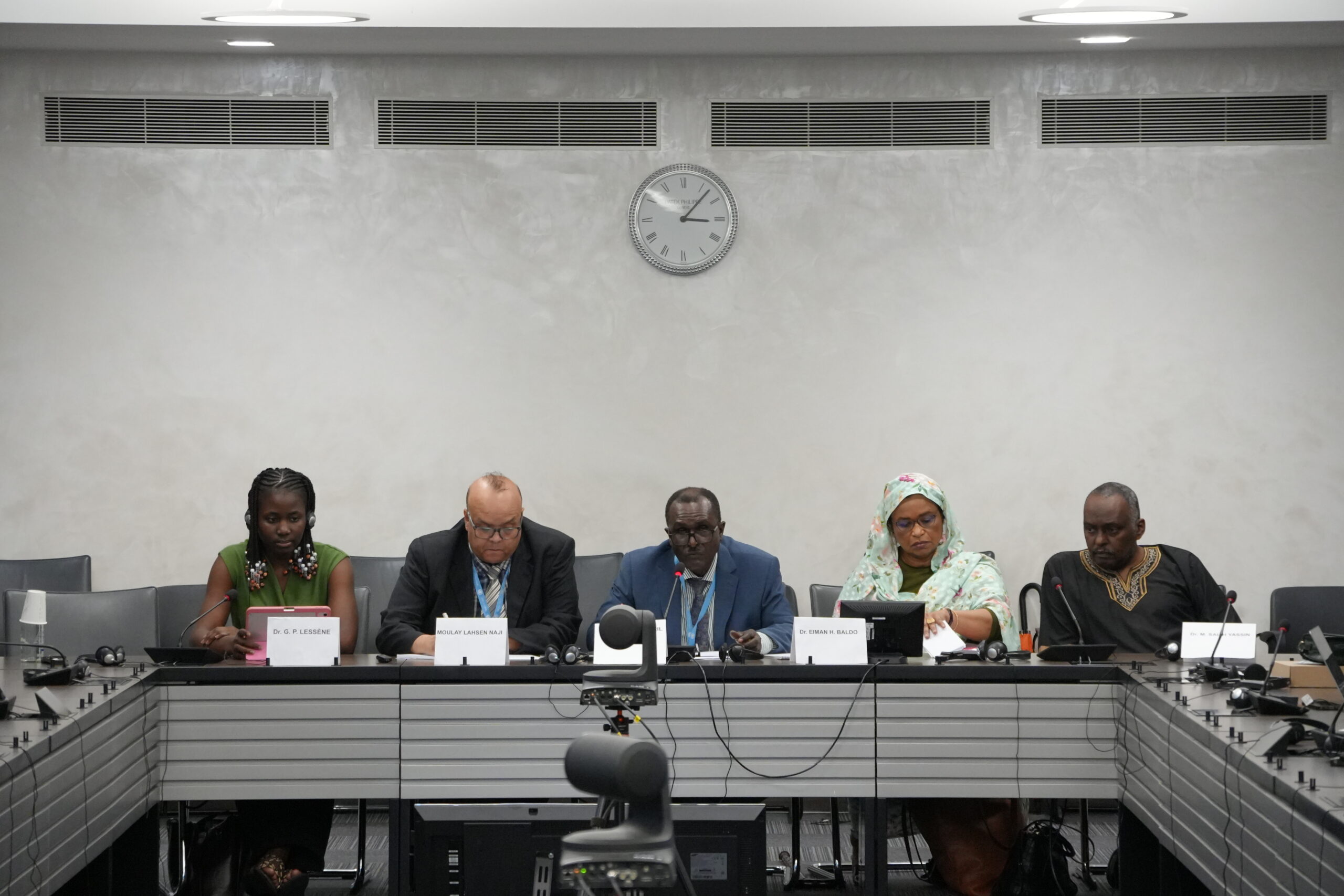
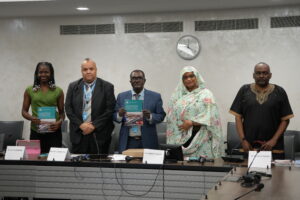
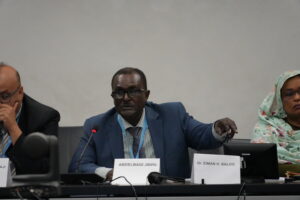
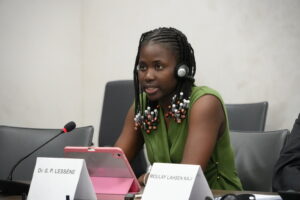
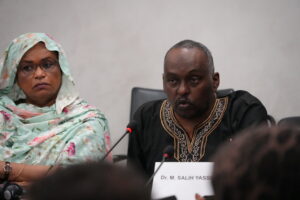
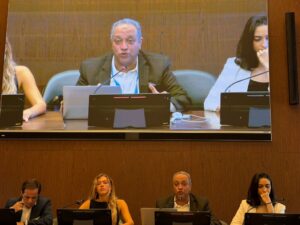
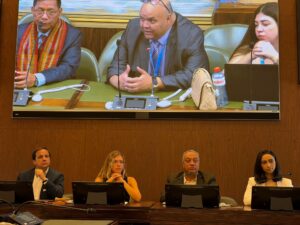
Mr. Abdelbagi Jibril, Main Representative to the UN Office and other International Organizations in Geneva (ACDHRS)

The discussion also emphasized the growing burden placed on neighboring countries. Chad and the Central African Republic were recognized for hosting large numbers of Sudanese refugees despite facing significant economic and humanitarian constraints of their own.

The event featured presentations from diplomats, human rights experts and researchers, including representatives from Chad, the African Centre for Democracy and Human Rights Studies, and Sudan Peace Tracker. Discussions examined emerging displacement trends and the wider implications for regional stability and humanitarian protection.

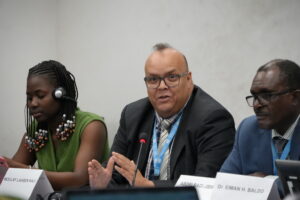
Mr. Moulay Lahsen Naji, Executive Director, Independent Commission for Human Rights in North Africa

The side event took place during the 62nd session of the UN Human Rights Council, which is being held in Geneva from 15 June to early July 2026, bringing together governments, UN experts and civil society organizations to address global human rights challenges.

Growing Regional Concern

The organizers stressed that the Sudan crisis is no longer solely a national emergency but a regional humanitarian challenge affecting neighboring countries and requiring sustained international cooperation. They called for stronger protection of civilians, greater humanitarian assistance for displaced populations, and increased international support for countries hosting Sudanese refugees.

As the Human Rights Council continues its current session in Geneva, Sudan remains one of the key country situations under discussion, reflecting mounting international concern over the conflict’s humanitarian consequences.


UN Geneva Forum Calls for Stronger South-South Cooperation to Rescue 2030 Development Goals

Geneva, 29 June 2026 — With less than five years remaining to achieve the 2030 Sustainable Development Goals (SDGs), policymakers, academics, youth representatives and civil society leaders gathered at a side event during the 62nd Session of the United Nations Human Rights Council (UNHRC) in Geneva to call for renewed South-South cooperation and a rights-based approach to sustainable development.

The high-level discussion, titled “Development in the Global South,” was jointly organized by the Youth Parliament for SDGs, the Global Institute for Water, Environment and Health (GIWEH), and RADDHO. Participants argued that developing countries are not merely recipients of international assistance but are increasingly becoming sources of innovation, practical policy solutions and development leadership.

Human Rights and Sustainable Development Must Go Hand in Hand

Speakers warned that despite progress in some areas, the world remains significantly off track in meeting the Sustainable Development Goals by 2030. They pointed to persistent inequalities, climate change, armed conflicts, debt burdens, food insecurity, technological divides and weak institutions as key obstacles slowing development, particularly across the Global South.

Participants stressed that sustainable development cannot be separated from the realization of human rights, emphasizing that development policies must place people at their centre and ensure that everyone can participate in and benefit from economic, social, cultural and political progress.

The discussion highlighted the importance of renewed multilateralism, stronger regional partnerships and increased cooperation among developing nations to accelerate implementation of the SDGs while reinforcing the internationally recognized Right to Development.

Global South as a Source of Innovation

Opening the event, Dr. Nidal Salim, Director General of GIWEH, challenged traditional perceptions of the Global South as a region defined primarily by its challenges.

Instead, he argued that countries across Asia, Africa and Latin America are increasingly demonstrating successful development models built upon local innovation, community participation, digital transformation and sustainable resource management.

Dr. Salim presented the Global South Platform Partnership as a practical framework for expanding knowledge exchange, capacity building and technological cooperation among developing countries.

Drawing from international examples, he highlighted India’s progress in digital public infrastructure, universal healthcare, renewable energy, agricultural development and climate resilience while also referencing experiences from Bangladesh, Kenya, Rwanda, Brazil and Costa Rica as evidence that successful development strategies must reflect local realities rather than follow a single global model.

Historical Importance of South-South Cooperation

Representing Interfaith International and RADDHO, Mr. Biro Diawara traced the evolution of South-South cooperation to the political solidarity established among developing nations during the 1960s and 1970s.

He highlighted the enduring significance of the Buenos Aires Plan of Action (PABA) adopted in 1978, describing it as the foundation of modern technical cooperation among developing countries.

Mr. Diawara emphasized that development should be measured not solely by economic growth but by improvements in people’s quality of life.

Quoting renowned Burkinabé historian Professor Joseph Ki-Zerbo, he reminded participants that:

“One is not developed; rather, one develops.”

He argued that globalization has often widened inequalities rather than reduced them and advocated development models rooted in local knowledge, cultural identity, human capital and inclusive governance.

Mr. Diawara also stressed the growing value of triangular cooperation involving both South-South and North-South partnerships, highlighting contributions from India, China, Brazil, Europe, the United States and Russia across sectors including healthcare, education, infrastructure, governance and agriculture.

India Presented as a Rights-Based Development Model

One of the central discussions focused on India’s Ayushman Bharat programme, which participants described as a practical example of implementing the United Nations Declaration on the Right to Development through Universal Health Coverage.

Presenting the youth perspective, Ms. Meyssan Soliman, Youth Representative at GIWEH and Sorbonne University–Paris, explained how India’s healthcare reforms demonstrate that universal access to healthcare can be achieved even in countries with large populations and limited resources.

She described Ayushman Bharat as one of the world’s largest publicly funded health protection programmes, providing financial protection for vulnerable households while expanding access to hospitals, primary healthcare centres and affordable medicines.

Ms. Soliman also highlighted India’s investment in digital health through initiatives such as the Ayushman Bharat Digital Mission, telemedicine services and electronic health records, arguing that digital innovation can strengthen transparency, improve service delivery and reduce healthcare inequalities.

She further noted India’s global contribution through affordable generic medicines and vaccine production, describing it as an example of how South-South cooperation can strengthen health systems across developing countries.

Renewed Call for Global Partnership

Throughout the discussions, speakers recalled the principles established during the historic 1955 Bandung Conference, including sovereignty, equality, solidarity, peaceful coexistence and mutual respect, describing them as increasingly relevant in today’s fragmented geopolitical environment.

Participants concluded that achieving the Sustainable Development Goals will require stronger political commitment, greater investment in resilient public institutions, expanded knowledge sharing, locally driven innovation and more effective international cooperation.

They also urged governments and international organizations to begin discussions on the global development framework beyond 2030 while accelerating implementation of existing commitments.

The side event concluded with a clear message that the Global South should no longer be viewed solely as a beneficiary of development assistance but as an increasingly influential driver of sustainable development solutions and international cooperation.


Editor’s Note: The side event was held on the margins of the 62nd Session of the United Nations Human Rights Council at the Palais des Nations in Geneva and was jointly organized by the Youth Parliament for SDGs, the Global Institute for Water, Environment and Health (GIWEH) and RADDHO.

G7 in Évian 2026: Can the World’s Democracies Shape a New Global Order?

From AI and critical minerals to Ukraine, migration and the Global South, France’s G7 presidency signals a new era of geopolitical diplomacy.

By Geneva24 News | Feature

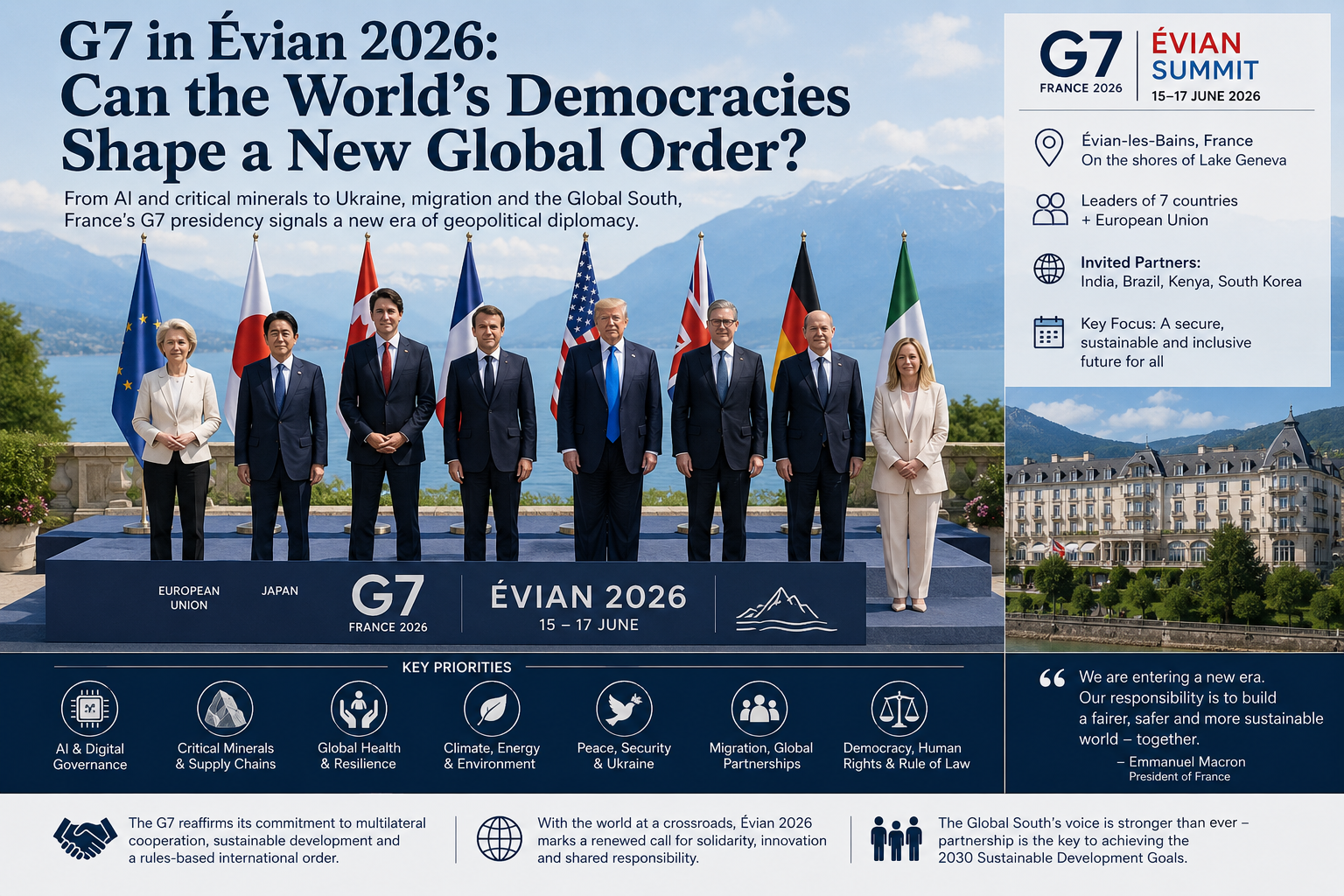
Nestled on the shores of Lake Geneva and framed by the French Alps, the spa town of Évian-les-Bains once again became the centre of global diplomacy as it hosted the 2026 G7 Summit from 15–17 June—23 years after welcoming the historic G8 Summit in 2003. Under France’s presidency, leaders of the world’s seven largest advanced democracies met at a time when international politics is being reshaped by war, economic fragmentation, artificial intelligence, and an increasingly influential Global South.

Unlike previous summits largely dominated by traditional security and economic issues, Évian 2026 reflected a world entering a different geopolitical era.

A Summit in a World of Uncertainty

The summit brought together leaders from France, the United States, Canada, the United Kingdom, Germany, Italy, Japan, alongside the European Union. France also invited leaders from India, Brazil, Kenya and South Korea, highlighting a growing recognition that today’s global challenges cannot be addressed without broader international partnerships.

President Emmanuel Macron described France’s presidency as an opportunity to return the G7 to its original purpose—finding coordinated responses to global economic instability while strengthening multilateral cooperation.

The “New Era” Agenda

Rather than focusing solely on traditional economic policy, leaders debated issues defining the coming decade.

Among the major outcomes were:

  • New commitments to secure critical mineral supply chains, seen as essential for electric vehicles, semiconductors and clean energy.
  • Joint initiatives promoting a safer digital environment for children amid growing concerns over AI-powered platforms and online harms.
  • Discussions on artificial intelligence governance, balancing innovation with regulation.
  • Continued coordination on Ukraine, Middle East security and broader geopolitical stability.
  • Stronger cooperation against drug trafficking, migrant smuggling, organized crime and violent extremism.
  • Renewed calls for balanced and resilient global economic growth.

The summit demonstrated that economic security, digital transformation and geopolitical stability are now inseparable.

Why Évian Matters

Évian is not just another summit venue.

It hosted the famous 2003 G8 Summit, remembered for debates over the Iraq War and the early rise of globalization protests.

Twenty-three years later, the challenges have changed dramatically.

Instead of debating globalization itself, leaders now confront:

  • Fragmented supply chains
  • Artificial intelligence
  • Climate resilience
  • Critical minerals
  • Cybersecurity
  • Strategic competition between major powers
  • Rising influence of emerging economies

The return to Évian symbolizes how global diplomacy has evolved from managing globalization to managing geopolitical fragmentation.

Security Like Never Before

Hosting one of the world’s most powerful political gatherings required an unprecedented security operation.

France deployed around 16,000 security personnel, including police, military units, cyber specialists, bomb disposal teams, helicopters and drone operators. Security measures extended across the French-Swiss border, affecting transport throughout the Lake Geneva region.

Swiss authorities also reinforced border controls and coordinated closely with France, reflecting the increasingly cross-border nature of modern security threats.

Beyond the G7: The Global South Steps Forward

One of the most noticeable changes in Évian was the growing role of emerging economies.

With invited leaders from India, Brazil, Kenya and South Korea, discussions acknowledged that solving global challenges—from health and energy to technology and climate—requires broader international cooperation.

This shift mirrors wider debates within the United Nations, where developing nations increasingly seek greater influence over global governance institutions.

AI Becomes a Diplomatic Issue

Artificial Intelligence emerged as one of the defining topics of the summit.

Unlike previous years, AI was no longer treated simply as a technology issue but as a geopolitical challenge involving economic competitiveness, cybersecurity, misinformation and child protection.

Leaders endorsed initiatives promoting safer online environments for minors while exploring international cooperation on AI governance and responsible innovation.

Challenges Remain

Despite the broad agenda, the summit also reflected growing questions about the G7’s future.

As economic power shifts toward Asia and the Global South, analysts increasingly debate whether the G7 can continue shaping global policy on its own.

Some observers argue that institutions such as the G20, BRICS and regional alliances are becoming increasingly influential, making broader partnerships essential rather than optional.

Geneva’s Diplomatic Moment

Although the summit took place in France, nearby Geneva played a supporting diplomatic role.

Swiss authorities coordinated closely on security, while Geneva hosted several bilateral meetings and diplomatic engagements linked to the summit, reinforcing the city’s position as one of the world’s leading centres for international dialogue.

Looking Ahead

The Évian Summit illustrated that today’s global agenda extends far beyond traditional economic coordination.

Artificial intelligence, climate resilience, critical minerals, migration, digital safety, geopolitical conflict and cooperation with emerging economies now define international diplomacy.

Whether the G7 can continue adapting to this rapidly changing world remains an open question. Yet Évian 2026 demonstrated that even in an era of geopolitical rivalry, dialogue among major democracies remains central to addressing shared global challenges.