

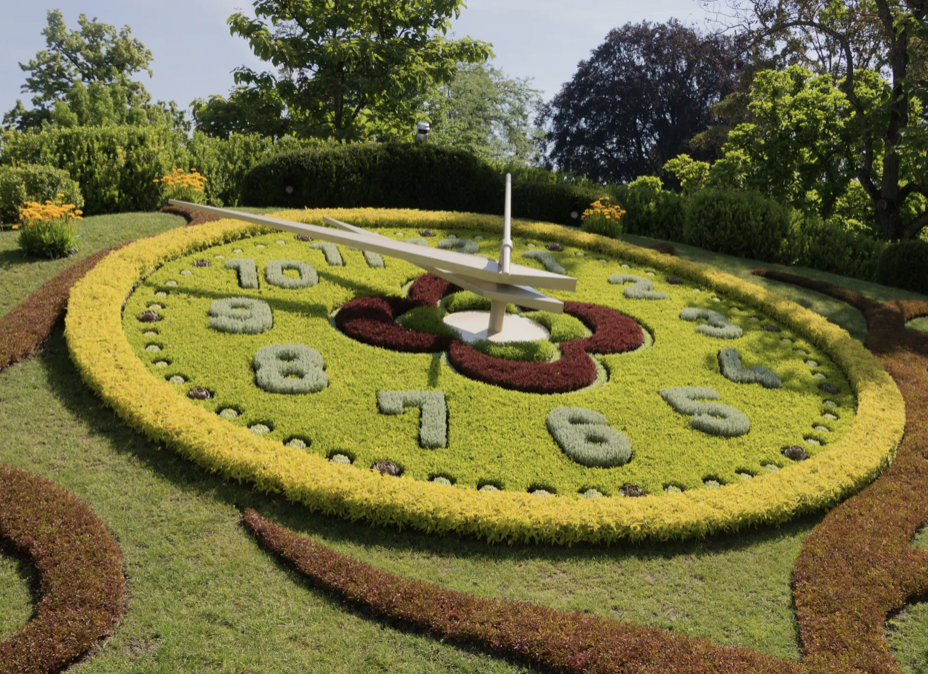
70 Years of Geneva’s Flower Clock – A Swiss Icon Celebrates Its Anniversary

In Geneva today, one of the city’s most iconic landmarks — the world-famous L’Horloge Fleurie, or Flower Clock — celebrated its 70th anniversary. A symbol of Swiss precision and the beauty of Geneva’s parks, the Flower Clock has been attracting millions of visitors every year. Our report looks back at its rich history and its significance today.

Nestled in Geneva’s English Garden, beside the shores of Lake Léman, the Flower Clock has been more than a tourist attraction — it’s a living tribute to Swiss craftsmanship.

Created in 1955, L’Horloge Fleurie was designed to celebrate Switzerland’s world-renowned watchmaking industryby blending two national prides: precise timekeeping and exquisite horticulture.

Over the last seven decades, the Flower Clock has become one of the most photographed sites in the country. Its face, made up of over 12,000 seasonal flowers and plants, is redesigned several times a year, creating a constantly evolving work of art. The giant second hand, once the largest in the world, reflects Geneva’s historic reputation for technical innovation.24

Seven decades on, the Flower Clock remains a reminder that in Geneva, time is not only measured — it is cultivated.

A timeless symbol now marking 70 years. The Flower Clock continues to blossom as one of Geneva’s most cherished ambassadors to the world.
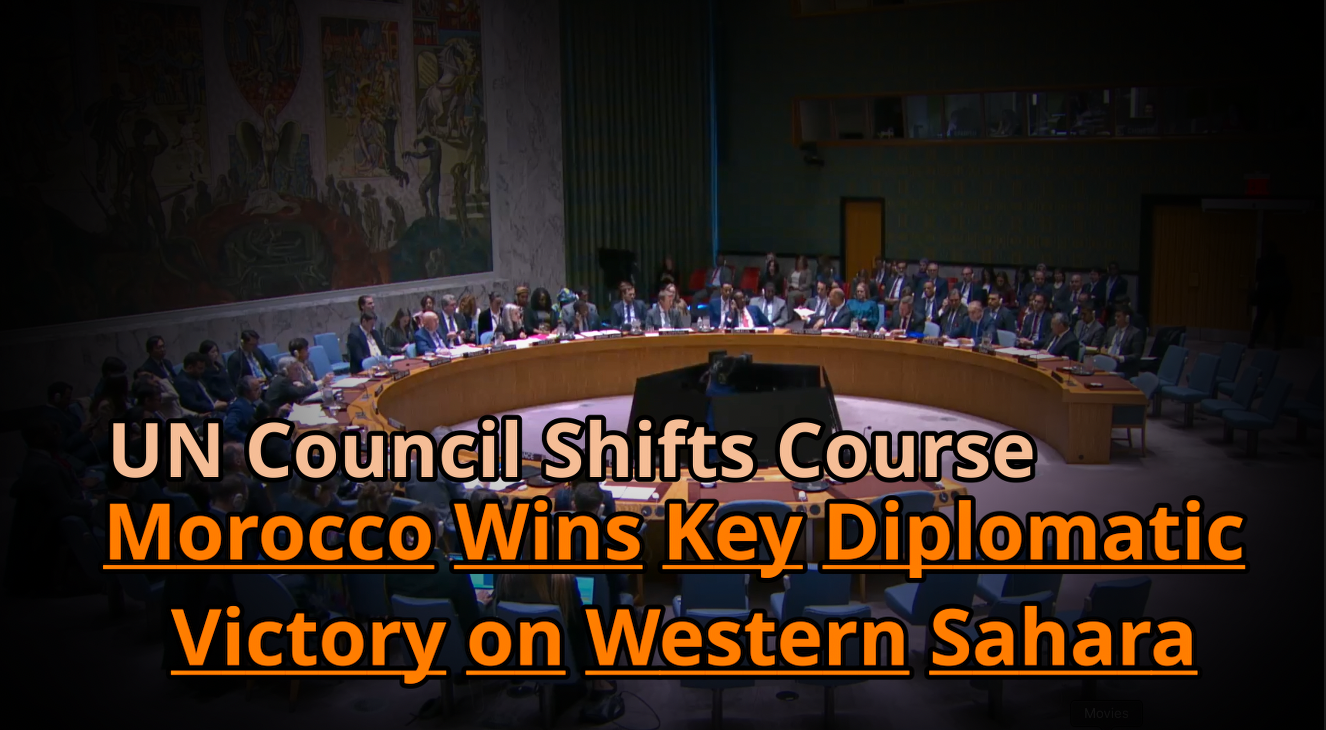
UN Council Shifts Course — Morocco Wins Key Diplomatic Victory on Western Sahara

In a significant shift in UN diplomacy, the Security Council has approved a resolution endorsing Morocco’s autonomy plan for the disputed territory of Western Sahara — a change that could redefine decades of negotiations.

On October 31, 2025, the Security Council passed a U.S.–drafted resolution with 11 votes in favor, and abstentions from Russia, China, and Pakistan — while Algeria declined to vote. The resolution affirms that Morocco’s 2007 autonomy proposal under its sovereignty may represent the “most feasible” basis for a final political solution. It also renews the mandate of the United Nations peacekeeping mission in the region, MINURSO, for another year.

Historically, the pro-independence Polisario Front has insisted on a referendum including independence as an option. But the new resolution notably omits that mention, signaling a tilt away from the referendum path. Algeria, which backs the Polisario Front, sharply criticized the move. Its ambassador argued that the text marginalizes Sahrawi proposals and compromises principles of decolonization. Meanwhile, Morocco hailed the resolution as a landmark diplomatic victory. In Rabat, the government called it a milestone toward integrating Western Sahara under its administrative framework. Supporters, including the U.S., France, and the U.K., say the resolution provides a realistic and durable foundation for negotiations, rather than open-ended referendums. The Council also instructed the UN Secretary-General to deliver a strategic review of MINURSO’s future next year, contingent on progress in dialogue.

This resolution could reshape long-standing divisions in North Africa. But as reactions from the Polisario Front and Algeria show, the road to peace remains fraught — especially when issues of sovereignty and self-determination remain on the table. We’ll continue to follow how UN diplomacy and regional politics respond to this pivotal moment.