
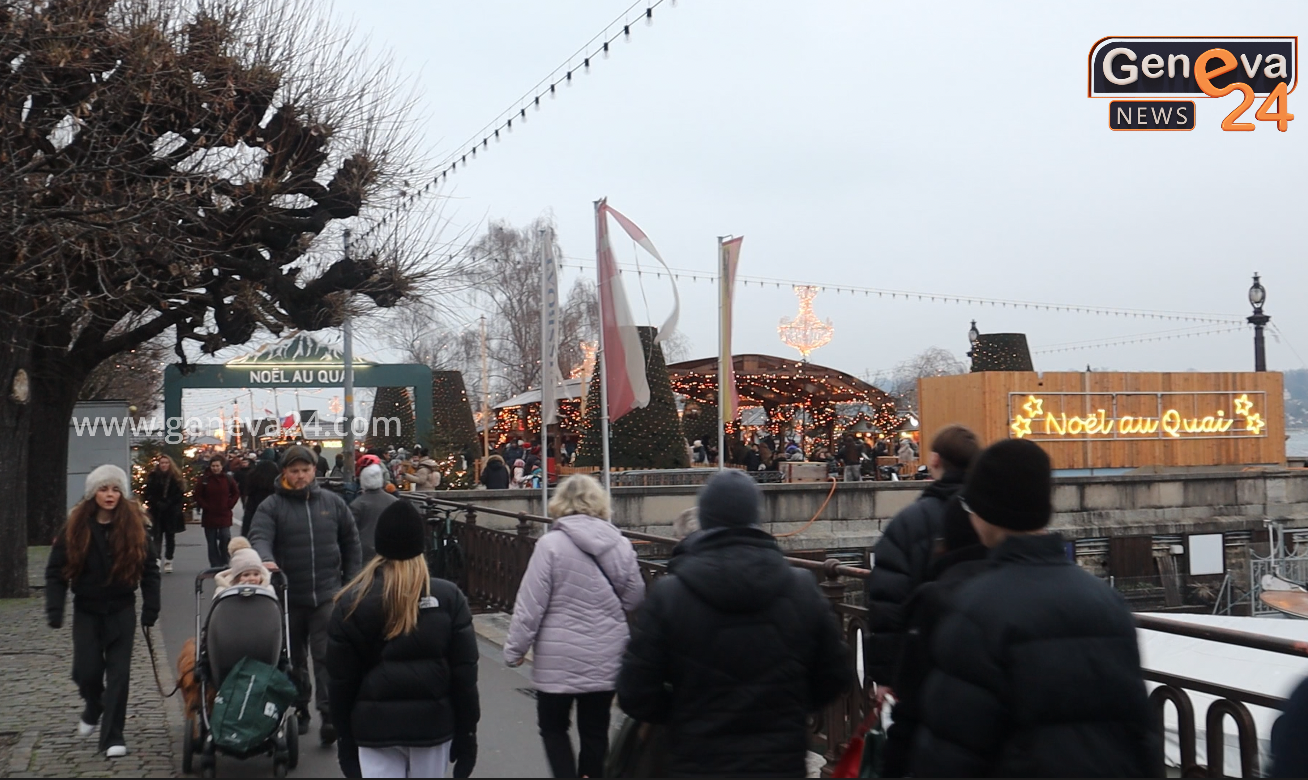
Geneva Lights Up: The City Prepares to Celebrate Christmas 2025

As Christmas approaches, the city of Geneva is glowing with festive spirit. From illuminated streets and traditional markets to seasonal music and family gatherings, residents and visitors alike are preparing to celebrate one of the most cherished times of the year. Our report takes you to the heart of Geneva’s Christmas atmosphere.
Geneva is officially in Christmas mode. Across the city, twinkling lights decorate historic streets, shop windows sparkle with holiday displays, and the sound of carols fills the winter air. In iconic locations such as the Old Town, Plainpalais, and along the lakeside, Christmas markets are welcoming crowds with traditional wooden chalets offering local food, handmade crafts, and warm drinks to beat the winter chill. Families, tourists, and young people are gathering to enjoy seasonal traditions — from tasting Swiss specialties like fondue and roasted chestnuts to shopping for unique Christmas gifts made by local artisans.

Churches across Geneva are also preparing for special Christmas services, including midnight mass, reflecting the city’s long-standing religious and cultural traditions. Beyond celebrations, Christmas in Geneva is also a time of solidarity. Many charities and community groups are organizing food drives, donations, and support programs to help vulnerable people during the winter season.
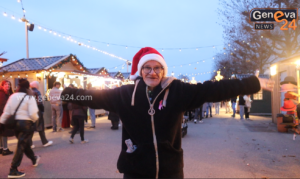
Despite global challenges and rising living costs, many residents say they are determined to keep the Christmas spirit alive — focusing on togetherness, hope, and generosity. With festive lights shining across the city and a strong sense of community in the air, Geneva is ready to welcome Christmas — a season of joy, reflection, and unity.

By: SARIFUDEEN Zahran (Journalist)
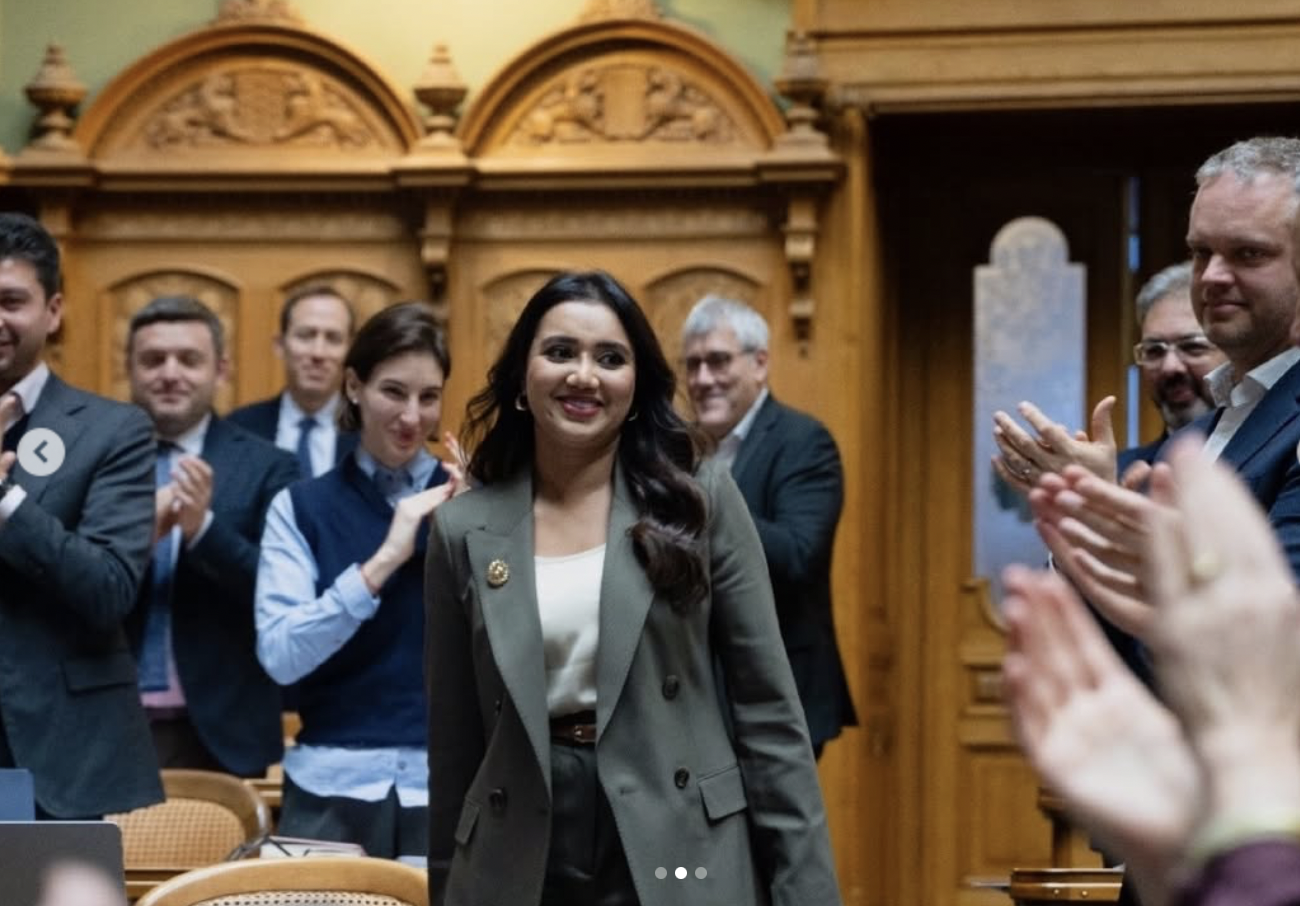
Sri Lankan-Born Farah Rumy Elected 2nd Vice President of Swiss National Council

“Sri Lankan-Born Leader in Swiss Parliament”

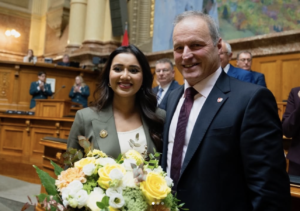
In Switzerland, history was made today at the opening of the Federal Assembly’s 2025 winter session. Sri Lankan-born Swiss parliamentarian Farah Rumy has been officially elected Second Vice-President of the National Council, becoming the first Swiss federal parliament leader of Sri Lankan heritage. The vote took place this Monday, December 1st, as the National Council elected its new presidium for the 2025/26 term.

The new Presiding College of the National Council has now been confirmed: Pierre-André Page, of the Swiss People’s Party (UDC/SVP), becomes President of the National Council for 2025/26. Katja Christ, from the Green Liberal Party, has been elected First Vice-President. And Farah Rumy, of the Social Democratic Party, will serve as Second Vice-President of the chamber. These positions are among the highest in Switzerland’s political system. Each year, the National Council and Council of States elect new leaders who preside over debates, steer parliamentary agendas, and represent Switzerland in international parliamentary diplomacy.

WHO IS FARAH RUMY?

Farah Rumy was born in Sri Lanka and moved to Switzerland as a child. A trained nurse and medical specialist, she entered politics through her work during the COVID-19 pandemic — an experience that pushed her to join the Social Democratic Party in 2020. She was first elected to the Solothurn Cantonal Council in 2021, where she focused on social policy and public health. After the 2023 federal elections, she moved up to the National Council as the first alternate when MP Franziska Roth vacated her seat. Rumy is now a member of the Foreign Affairs Committee and an alternate member of the Immunity Committee. In parliament, she has championed healthcare reforms, social equality, foreign policy, peace initiatives, and human rights. She also serves as co-president of her regional nursing union and remains active in local politics in the city of Grenchen. Rumy is the first Swiss federal parliamentarian of Sri Lankan descent, and now becomes the first to hold a leadership position within the National Council’s presidium.

On the same day, the upper chamber — the Council of States — elected Stefan Engler as its new President for the 2025/26 term. For Farah Rumy, today’s election marks a major milestone in Swiss political history — one that reflects the country’s evolving diversity and the growing influence of younger leaders in national decision-making.

By: SARIFUDEEN M Zahran (Journalist)

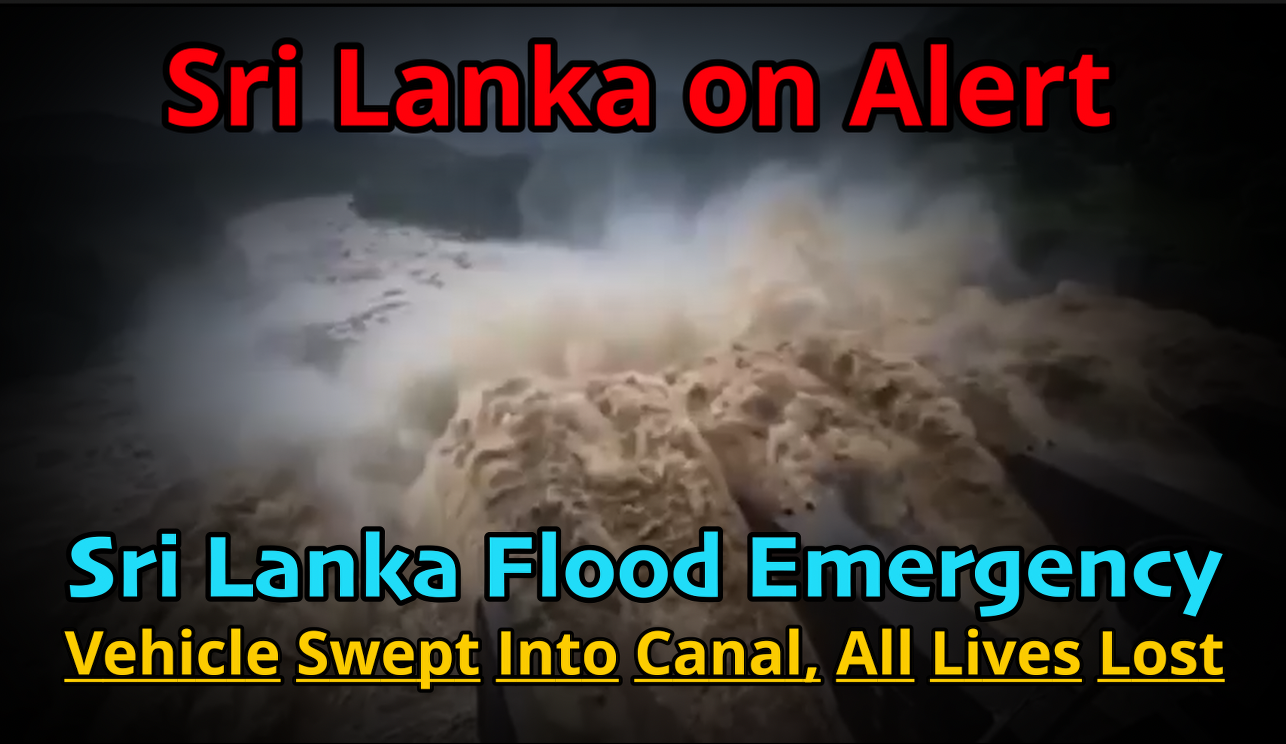
Sri Lanka on Alert – Sri Lanka Flood Emergency

Sri Lanka is facing a worsening monsoon emergency, with heavy rains triggering nationwide floods, landslides, and fatal accidents.

One of the most tragic incidents was reported from the eastern town of Sainthamaruthu, where three members of the same family lost their lives after their vehicle plunged into a flooded canal. As rescue operations continue and alerts remain in place, concerns are growing over the scale of the disaster across the island. In Ampara district, on the island’s eastern coast, heavy rainfall turned roads into rivers — and claimed lives. Authorities say a car carrying a grandfather, grandmother, and their young granddaughter veered off a submerged road late yesterday and slipped into the Borale Vely canal. Emergency teams rushed to the scene, but strong currents made rescue efforts extremely difficult. All three occupants were recovered without signs of life — another reminder of the deadly risks faced by families attempting to move through flood-hit regions. But this is not an isolated incident.

Sri Lanka’s Disaster Management Centre confirms that continuous rainfall over recent days has caused widespread flooding and landslides across the country. Dozens of deaths have now been reported nationwide, while thousands of homes are waterlogged or destroyed. Several major roads are impassable, railway operations have been suspended, and low-lying villages remain under evacuation alerts. Meteorologists warn that more rain is expected, with rivers and reservoirs already overflowing.

From the southern coastline to the central highlands, communities are scrambling for safety, temporary shelters are filling, and relief agencies are appealing for urgent support. Experts say Sri Lanka is now experiencing one of its most intense seasonal rainfall surges in recent years — a pattern increasingly linked to climate instability in the region. For the family lost in Sainthamaruthu, the tragedy is personal and immeasurable. For the country, it is part of a wider emergency — one that highlights fragile infrastructure, climate vulnerability, and the need for stronger preparedness systems. International agencies are monitoring the situation closely as Sri Lanka faces continuing rain in the days ahead. This is Geneva24 News, bringing global attention to Sri Lanka’s unfolding flood crisis — and the communities fighting to survive it.

By: SARIFUDEEN Zahran

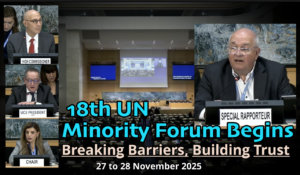
18th UN Minority Forum Begins

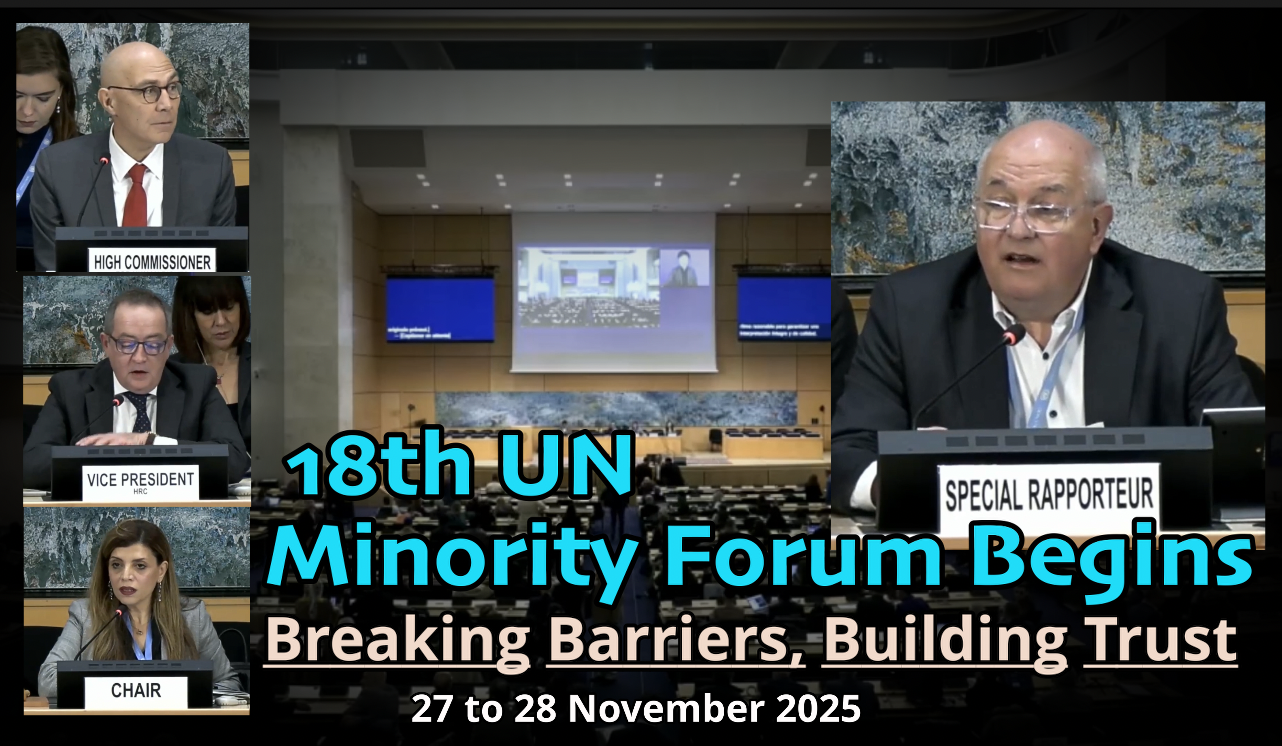
Geneva — The United Nations today opened the 18th Session of the UN Forum on Minority Issues, meeting here in the historic Assembly Hall in Geneva. This year’s theme — “The contribution of minorities to diverse, resilient, and peaceful societies” — sets the stage for two days of high-level dialogue, taking place from 27 to 28 November 2025.

The opening session began with remarks from senior UN officials. The Vice-President of the Human Rights Council, H.E. Ambassador Razvan Rusu, addressed the assembly, followed by a statement from the UN High Commissioner for Human Rights, Mr. Volker Türk. Also speaking was the UN Special Rapporteur on Minority Issues, Mr. Nicolas Levrat, along with the Chairperson of this year’s forum, who officially launched the 18th session.

The first agenda discussion — Item 1: Building trust and social cohesion — focused on barriers faced by minority communities around the world. Delegates and speakers highlighted challenges such as discrimination, structural inequality, marginalization, and social invisibility, which continue to fuel mistrust and conflict in many societies. Experts emphasized that peace and harmony depend on addressing the root causes of exclusion. They stressed the importance of education, intercultural dialogue, media responsibility, and creative expression in reducing stigma and building inclusive, unified communities. Among today’s panelists were: Mr. Christophe Kamp, OSCE High Commissioner on National Minorities Ms. Diane Ala’i, human rights and international affairs expert, and former UN representative of the Bahá’í International Community Mr. Rup Sunar, Chairperson of the Dignity Initiative and former OHCHR Senior Minority Fellow They shared examples of successful models — from mediation programs to multilingual education — showing how inclusion policies can resolve tension, empower minorities, and strengthen social cohesion.

A full summary of the discussions from this 18th session will be prepared by the Forum’s Chair, while the Special Rapporteur on Minority Issues will deliver an official recommendations report to the Human Rights Council at its 61st session.

By: SARIFUDEEN Zahran

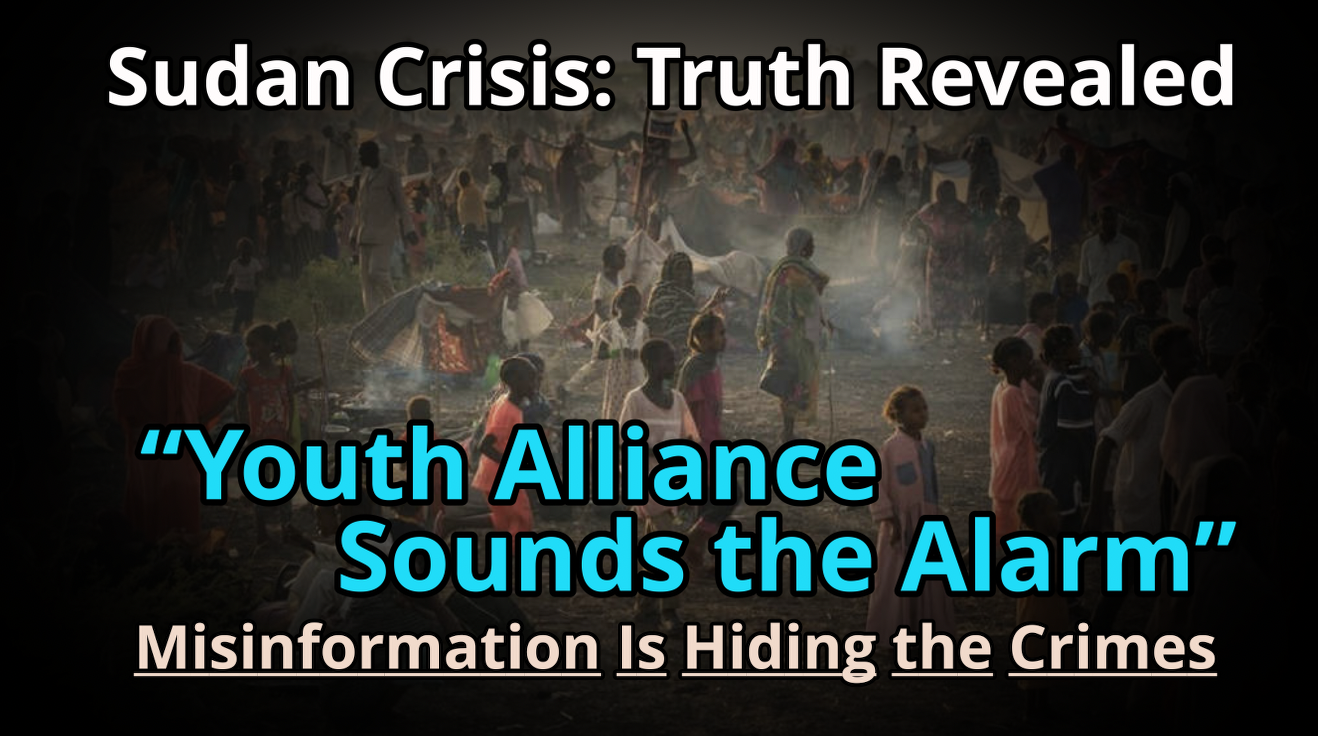
“Impunity Must End”: Youth Future Alliance Issues Powerful Statement on Sudan Crisis

The UK-based NGO The Youth Future Alliance responded to the United Nations Human Rights Council’s 38th Special Session on Sudan with a strong statement.

The organisation warns that propaganda and misinformation surrounding the fall of El-Fashir are undermining justice and obstructing accountability. It calls on the UN and member states to prioritise verified reporting and to counter disinformation campaigns. The Alliance also stresses that deflecting blame onto external actors does not advance peace. While foreign involvement should be examined, it notes that Sudan’s crisis was driven primarily by internal political decisions—including coups, the dismantling of the civilian transition, and the repeated rejection of peace proposals. The Youth Future Alliance further argues that the root cause of Sudan’s instability is the longstanding impunity of the Sudanese Armed Forces, whose repeated coups and use of militias contributed directly to today’s violence.

Finally, the organisation insists that Sudan’s future must be shaped by civilians, especially young people. It calls for the restoration of civilian rule, accountability for all violations—including those committed by the SAF—and a new political path grounded in human rights. The Youth Future Alliance is urging the international community to ensure that today’s UN resolution leads to real action: proper investigations, restored humanitarian access, and long-term support for a civilian-led, peaceful Sudan.

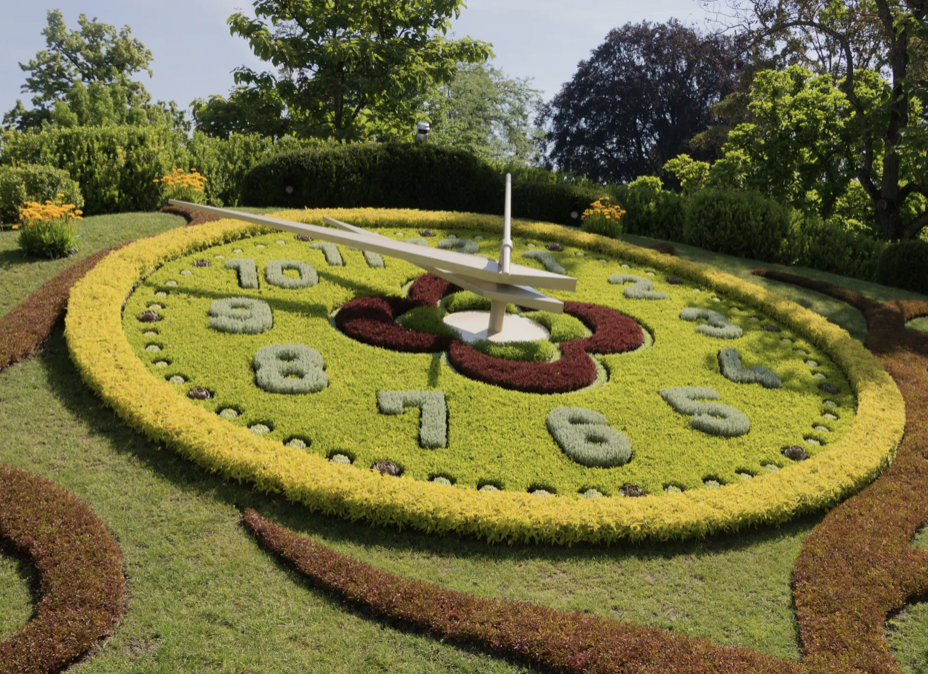
70 Years of Geneva’s Flower Clock – A Swiss Icon Celebrates Its Anniversary

In Geneva today, one of the city’s most iconic landmarks — the world-famous L’Horloge Fleurie, or Flower Clock — celebrated its 70th anniversary. A symbol of Swiss precision and the beauty of Geneva’s parks, the Flower Clock has been attracting millions of visitors every year. Our report looks back at its rich history and its significance today.

Nestled in Geneva’s English Garden, beside the shores of Lake Léman, the Flower Clock has been more than a tourist attraction — it’s a living tribute to Swiss craftsmanship.

Created in 1955, L’Horloge Fleurie was designed to celebrate Switzerland’s world-renowned watchmaking industryby blending two national prides: precise timekeeping and exquisite horticulture.

Over the last seven decades, the Flower Clock has become one of the most photographed sites in the country. Its face, made up of over 12,000 seasonal flowers and plants, is redesigned several times a year, creating a constantly evolving work of art. The giant second hand, once the largest in the world, reflects Geneva’s historic reputation for technical innovation.24

Seven decades on, the Flower Clock remains a reminder that in Geneva, time is not only measured — it is cultivated.

A timeless symbol now marking 70 years. The Flower Clock continues to blossom as one of Geneva’s most cherished ambassadors to the world.

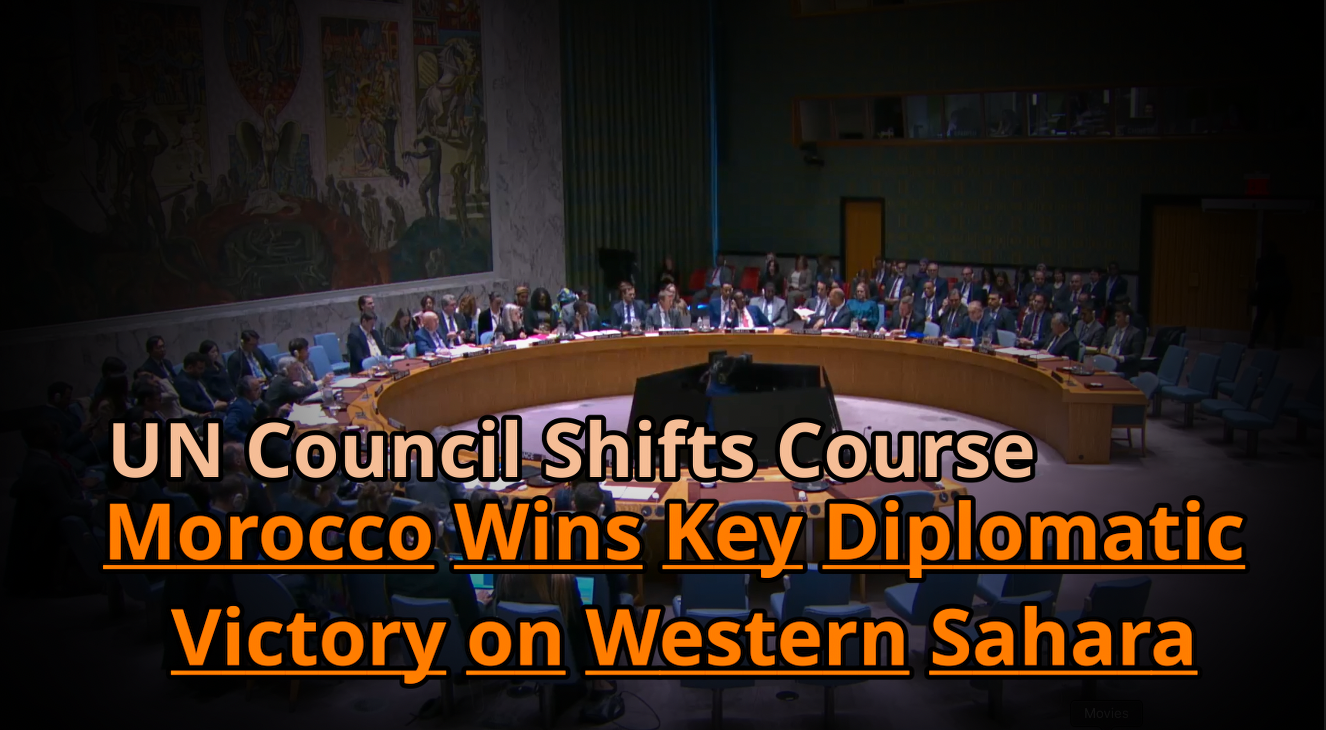
UN Council Shifts Course — Morocco Wins Key Diplomatic Victory on Western Sahara

In a significant shift in UN diplomacy, the Security Council has approved a resolution endorsing Morocco’s autonomy plan for the disputed territory of Western Sahara — a change that could redefine decades of negotiations.

On October 31, 2025, the Security Council passed a U.S.–drafted resolution with 11 votes in favor, and abstentions from Russia, China, and Pakistan — while Algeria declined to vote. The resolution affirms that Morocco’s 2007 autonomy proposal under its sovereignty may represent the “most feasible” basis for a final political solution. It also renews the mandate of the United Nations peacekeeping mission in the region, MINURSO, for another year.

Historically, the pro-independence Polisario Front has insisted on a referendum including independence as an option. But the new resolution notably omits that mention, signaling a tilt away from the referendum path. Algeria, which backs the Polisario Front, sharply criticized the move. Its ambassador argued that the text marginalizes Sahrawi proposals and compromises principles of decolonization. Meanwhile, Morocco hailed the resolution as a landmark diplomatic victory. In Rabat, the government called it a milestone toward integrating Western Sahara under its administrative framework. Supporters, including the U.S., France, and the U.K., say the resolution provides a realistic and durable foundation for negotiations, rather than open-ended referendums. The Council also instructed the UN Secretary-General to deliver a strategic review of MINURSO’s future next year, contingent on progress in dialogue.

This resolution could reshape long-standing divisions in North Africa. But as reactions from the Polisario Front and Algeria show, the road to peace remains fraught — especially when issues of sovereignty and self-determination remain on the table. We’ll continue to follow how UN diplomacy and regional politics respond to this pivotal moment.